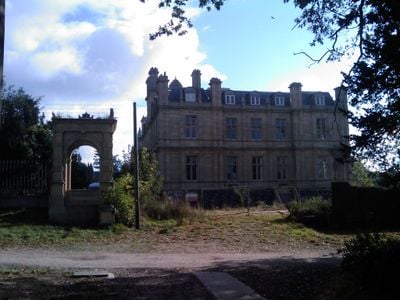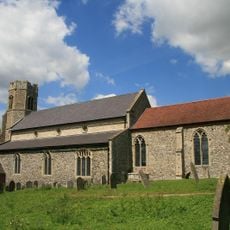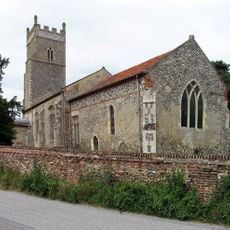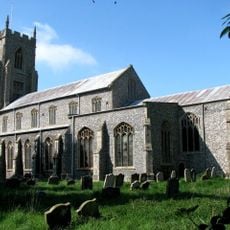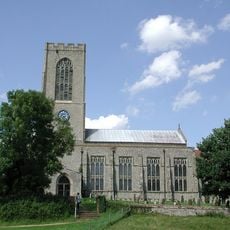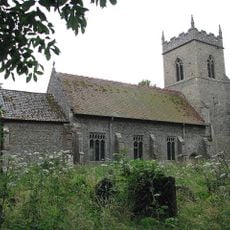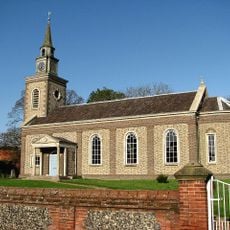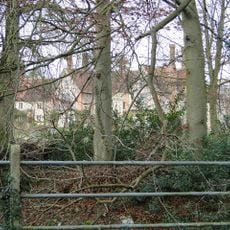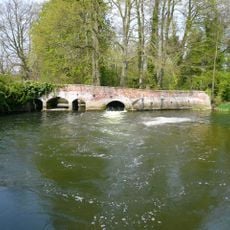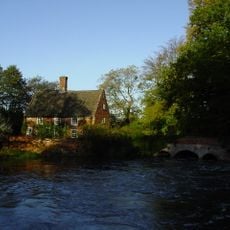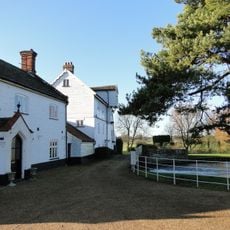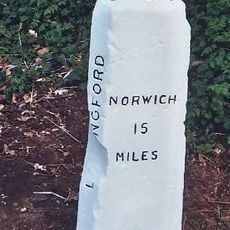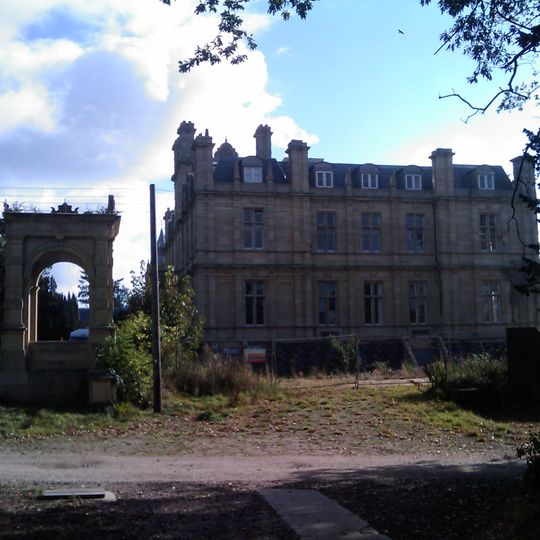
Bylaugh Hall, English country house in Bylaugh, England.
Bylaugh Hall is an English country house built from limestone with a flat roof crowned by decorative obelisks and heraldic stone beasts. The interior follows Palladian design principles with a central double-return staircase and flowing spaces without traditional corridors.
The house originated from Sir John Lombes will in 1817, which provided funding for construction, but legal disputes delayed the project until 1852 when building finally began. After its completion in the mid-19th century, the structure took on military importance during the Second World War.
The architecture blends classical and Jacobethan elements from the 19th century, reflecting how English country estate designs were changing during that era. The rooms display features from different style periods that create an interesting visual mix of influences.
The building sits on an estate in a quiet rural setting with limited parking and access options that should be checked beforehand. Most visitors will need a car since public transport is sparse in this remote location.
During the Second World War, the building served as headquarters for the Royal Air Force's 100 Group Bomber Support operations. This military role is less known than its architectural importance but forms a crucial part of its past.
The community of curious travelers
AroundUs brings together thousands of curated places, local tips, and hidden gems, enriched daily by 91,987 contributors worldwide.