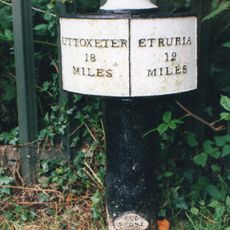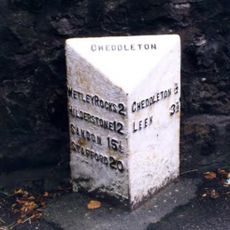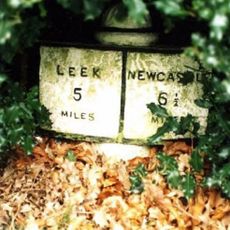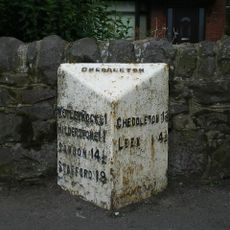
Caldon Canal, Industrial canal in Staffordshire, Great Britain
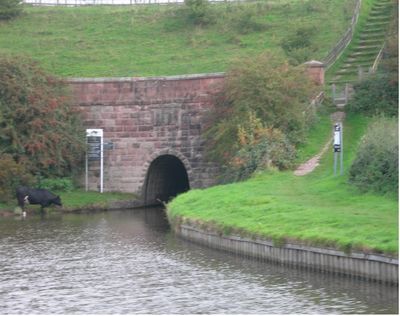
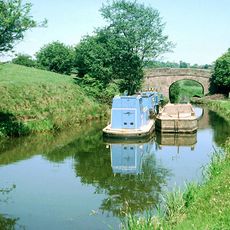
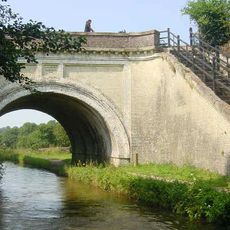
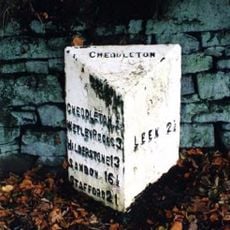
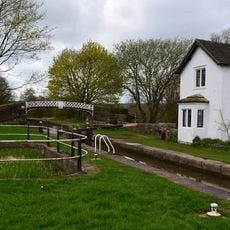
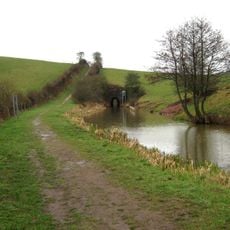
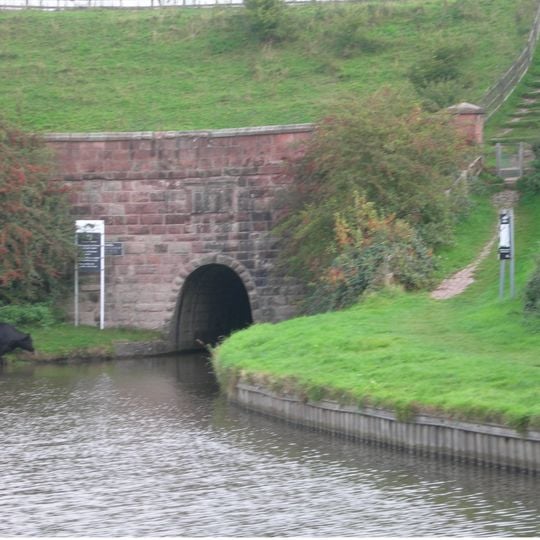
The Caldon Canal is an artificial waterway running about 29 kilometers from Etruria to Froghall through the Staffordshire Moorlands, with 17 locks and a tunnel along the route. The waterway now operates mainly for leisure boating and walking, connecting scenic stretches across the landscape.
The canal was built in 1776 to move limestone from quarries at Cauldon Low to the industrial area of Stoke on Trent, supporting production factories and manufacturers. This construction represented a major infrastructure project of the era, making it possible to transport raw materials efficiently over water.
The pottery museum at the canal junction displays the last steam-powered potters' mill in Britain, showing how local craftspeople once worked. Visitors can observe the machinery and understand how the waterway connected producers to distant markets.
The canal is easily explored on foot or by boat, though boaters should bring special equipment like windlasses for operating locks and bridges. Spring and summer offer the best conditions for visiting, when pathways are dry and water levels are suitable for boating.
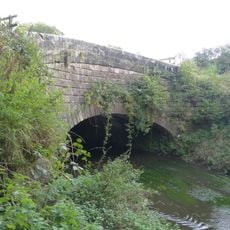
In some sections, the waterway uses the river valley of the Churnet, mixing artificial canal segments with natural river courses, creating an unusual hybrid system. This blend of engineered and natural water flows produces changing landscapes and offers varied experiences as you travel along the route.
The community of curious travelers
AroundUs brings together thousands of curated places, local tips, and hidden gems, enriched daily by 92,120 contributors worldwide.