Cleveland Bridge, Grade II* listed bridge in Bath, England
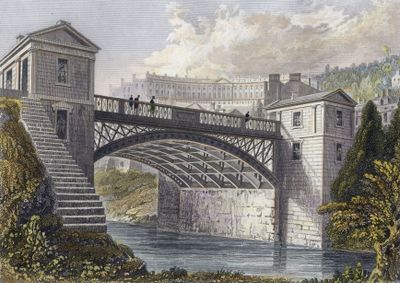
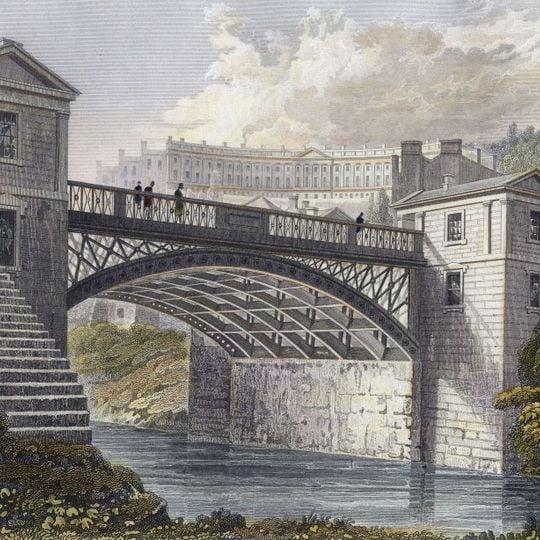
Cleveland Bridge is a stone structure spanning the River Avon, featuring four corner pavilions designed to resemble small Greek temples. The bridge connects major road routes and displays classical architectural proportions throughout its length.
The bridge was completed in 1826 through the collaboration of architect Henry Goodridge and Coalbrookdale Ironworks under William Hazledine. Its location marks where a Roman ferry once provided crossing service across the river.
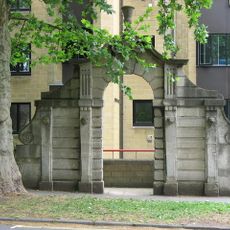
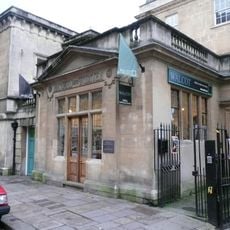
The four corner lodges were originally designed as toll booths but now serve as homes and creative workspaces, including a ceramic studio. These structures have become an integral part of how visitors experience the bridge's character.
The bridge is easily accessible on foot and provides good views of the river from several vantage points. Visiting during daylight hours helps you appreciate the architectural details and corner structures more fully.
Reinforced concrete trusses were added in 1929 to enable the bridge to support modern traffic loads while retaining its historical exterior. This hidden reinforcement demonstrates how a historic structure adapts to contemporary demands.
The community of curious travelers
AroundUs brings together thousands of curated places, local tips, and hidden gems, enriched daily by 92,301 contributors worldwide.