Hurst Castle And Lymington River Estuary
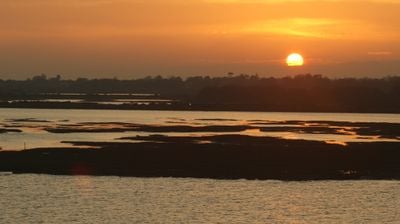
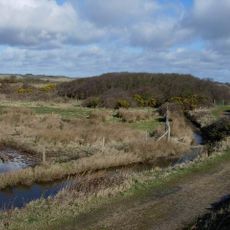
Hurst Castle and Lymington River Estuary is a site of special scientific interest along England's south coast, spanning hundreds of hectares of coastal land and water. The area contains mudflats, saltmarshes, and a long shingle formation called Hurst Spit, topped by a fortress built in the 1500s that rises above the surrounding landscape.
The castle was built in the 1500s during the reign of Henry VIII as part of a series of forts protecting England's coast from enemy ships. In the 1800s, new weapons and iron-and-teak defensive shields were added, showing how military technology evolved to meet changing threats over centuries.
The area has deep roots in salt-making that dates back to medieval times, with those old practices still visible in the landscape today. The marshes hold the story of how people once shaped this coastal land, leaving marks that help visitors understand human connection to this place.
The site is easily reached by walking along the seawall, which offers good views of the marshes and provides direct access to the castle. Dogs are welcome on the seawall path but not in the marsh areas, and parking is available near Keyhaven Village and Lymington Quay.
The site is home to the starlet sea anemone, a rare creature found nowhere else in Britain and listed as vulnerable worldwide. This small animal and other uncommon marine species make the location important for conservation and scientific study.
The community of curious travelers
AroundUs brings together thousands of curated places, local tips, and hidden gems, enriched daily by 91,784 contributors worldwide.