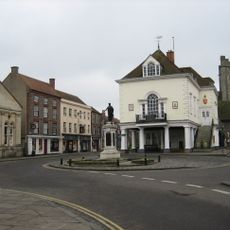
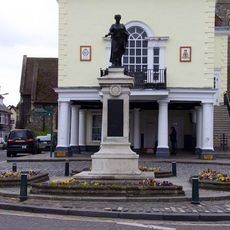
Municipal Borough of Wallingford, Municipal borough in Oxfordshire, England
Wallingford is a municipal borough in South Oxfordshire positioned along the River Thames. The town center contains medieval buildings and structures, including several historic churches and remnants of fortifications from earlier centuries.
The Treaty of Wallingford in 1153 ended a long civil war and marked a turning point in English history. Later, during the English Civil War, the town experienced a prolonged conflict that resulted in the destruction of key fortifications.
Three ancient churches define the town center: St Mary-le-More features Gothic Revival architecture, while St Peter holds the tomb of jurist William Blackstone. These buildings are places where visitors can experience the religious past through their design and interior details.
Wallingford Town Hall, built in 1670, serves as the main administrative center and houses a tourist information office with details about the town. Weekdays are ideal for exploring, when buildings are accessible and crowds are lighter.
Oliver Cromwell ordered the demolition of Wallingford Castle to prevent future rebellions against parliamentary forces. This decision followed a 16-week siege during the civil war and left only remnants for visitors to see today.
The community of curious travelers
AroundUs brings together thousands of curated places, local tips, and hidden gems, enriched daily by 92,585 contributors worldwide.