Petuaria, Roman fort on the site of Brough in the East Riding of Yorkshire, England
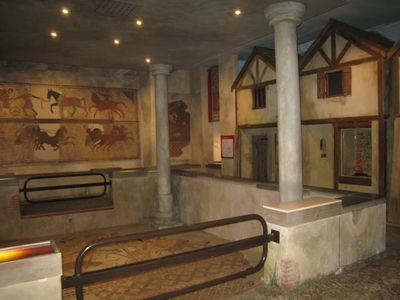
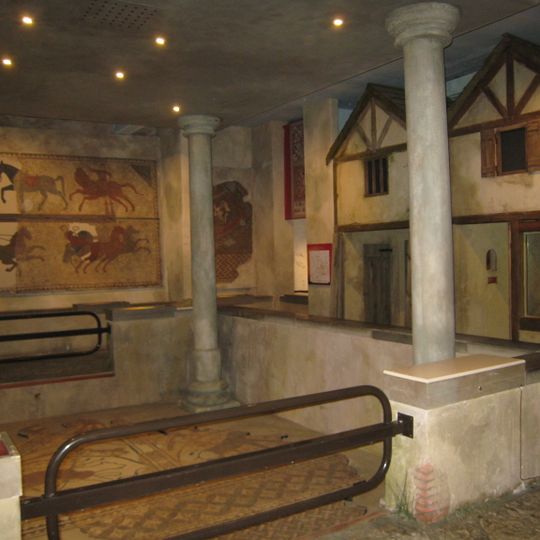
Petuaria was a Roman fort built around 70 AD at the location of present-day Brough, which later grew into a larger town with a port and river crossing. The settlement was surrounded by walls and contained building remains including houses and public spaces, notably a theater whose stone was donated by a wealthy resident named Marcus Ulpius Januarius around 140 AD.
The fort was founded in 70 AD and remained in use for about 55 years before the town grew around it and stayed active until roughly 370 AD. The site marked the northern end of the Roman road Cade's Road, which stretched nearly a hundred miles to Newcastle, making it a key point for traffic between different parts of Britain.
The name Petuaria comes from Brythonic language and likely means 'quarter' or 'fourth part', suggesting it was one of several settlements in the area. It probably served as the main center for the Celtic Parisi tribe and functioned as a hub for local trade and community life.
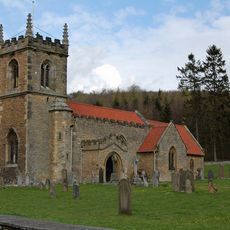
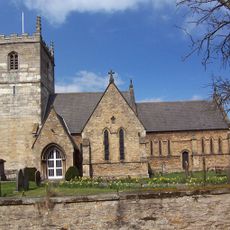
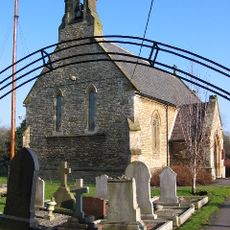
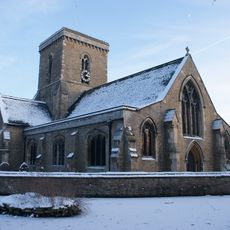
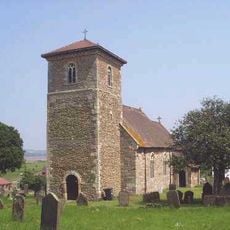
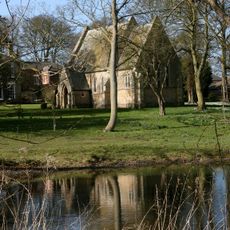
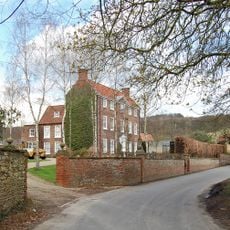
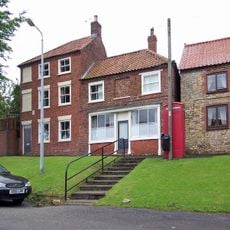
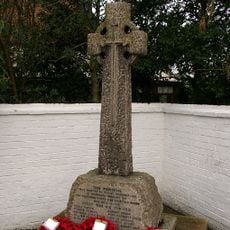
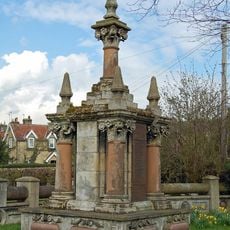
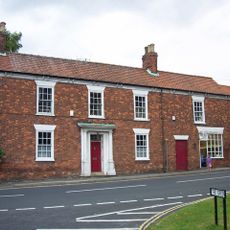
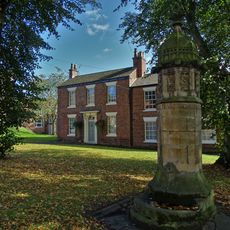
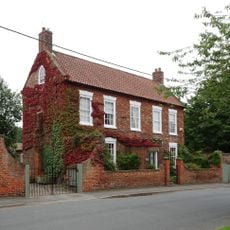
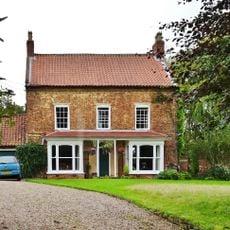
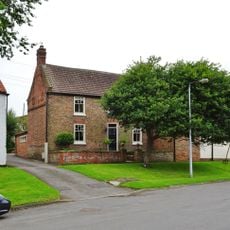
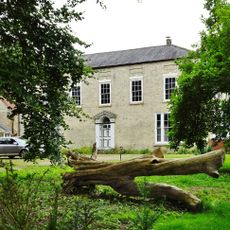
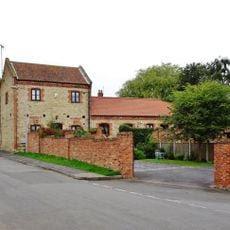
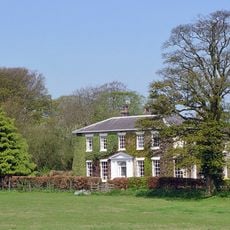
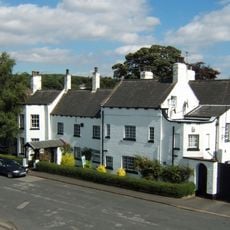
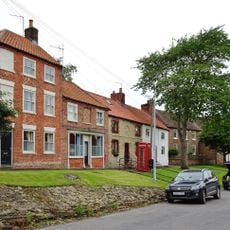
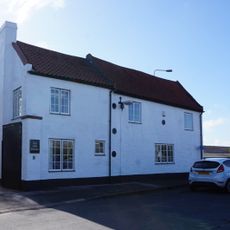
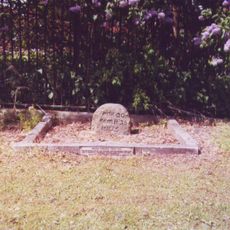
The site is located in present-day Brough and is accessible through preserved remains and stone markers that show the location of the ancient fort and town. Visitors should keep in mind that this is an archaeological site with structures partly hidden beneath the modern landscape, so finding your way beforehand is helpful.
A stone from the theater bears an inscription with the name Marcus Ulpius Januarius, a wealthy resident who funded the stage around 140 AD - an inscription that names a local Roman leader in Britain for the first time. This remarkable find is now kept in a museum and shows how Roman inhabitants valued arts and entertainment in this distant province.
The community of curious travelers
AroundUs brings together thousands of curated places, local tips, and hidden gems, enriched daily by 90,752 contributors worldwide.