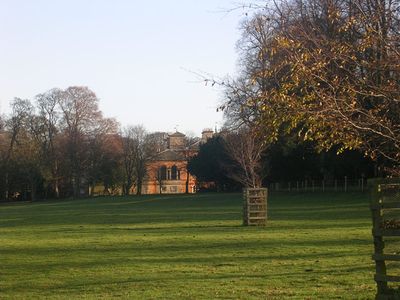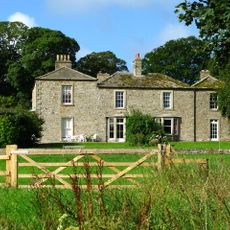
Rokeby Park, Palladian country house in Rokeby, England
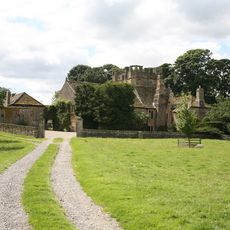
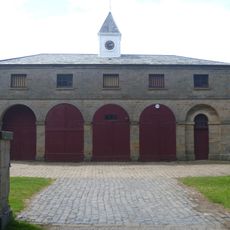
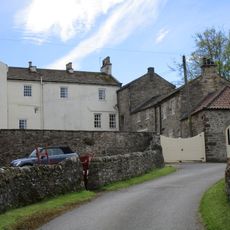
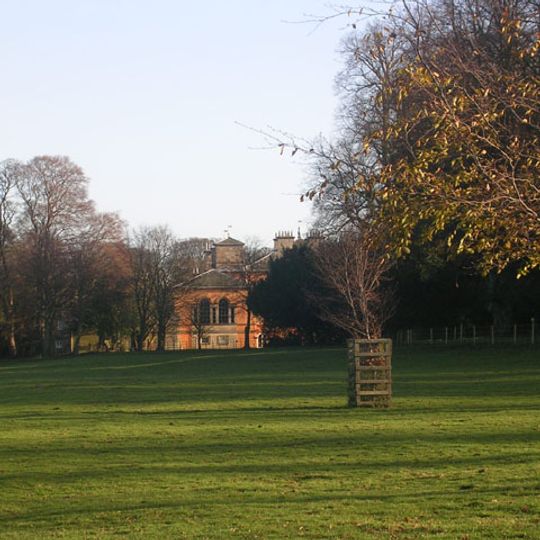
Rokeby Park is a Palladian country house in Rokeby with a central cube-shaped main building flanked by offices and stables, creating a symmetrical northern courtyard entrance. The architectural composition reflects classical design principles and features the proportions typical of this style.
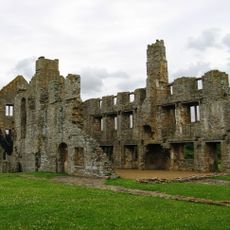
The property changed ownership from the Rokeby family to the Robinsons during James I's reign, after Scottish forces destroyed an earlier structure on the site. The replacement building was later designed according to classical architectural ideals.
The house gained literary recognition through Sir Walter Scott's 1812 narrative poem, which used the estate as its central setting and shaped regional storytelling. This literary connection remains part of the place's identity today.
The house remains a private residence but welcomes visitors on designated days through guided tours that reveal architectural details and historical collections. Checking opening days before visiting is advisable as access is limited.
The saloons contain a reproduction of the famous Rokeby Venus painting that originally hung here before moving to the National Gallery in London. This connection to a world-renowned artwork makes the house notable for art enthusiasts.
The community of curious travelers
AroundUs brings together thousands of curated places, local tips, and hidden gems, enriched daily by 91,846 contributors worldwide.