Stonea Camp, Iron Age fort in Wimblington, England
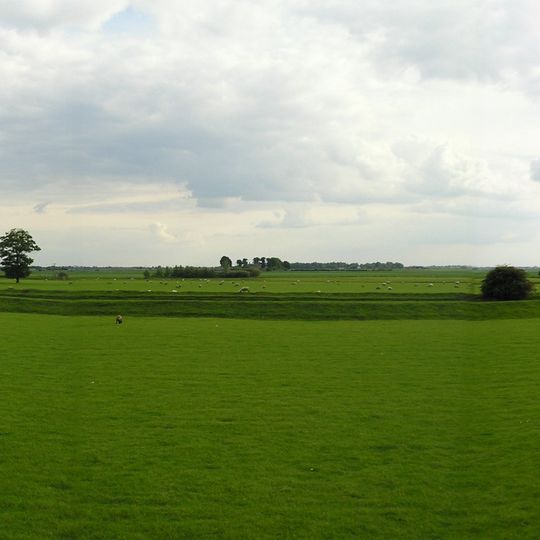
Stonea Camp is an ancient fort built on raised ground in the marshes of Cambridgeshire and consists of multiple ringed earthwork enclosures created by walls and ditches. The site spans about 24 acres and clearly shows how early inhabitants protected their settlement from water and attacks.
The fort was first established around 500 BC and served as a defensive settlement during the Iron Age. Later, the Romans occupied the site and left traces of their presence, including structural remains that show their military importance.
The site shows how people adapted to living on marshy ground and building defenses in challenging terrain. The layout reflects centuries of occupation by groups who learned to work with the surrounding wetlands.
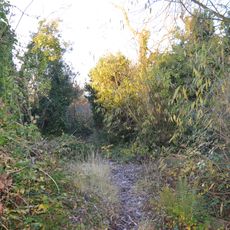
You can walk through the site on established paths that wind between the ancient earthworks. Information boards at several spots explain what you are seeing and help you understand the layout.
Archaeologists found the remains of a multi-storey Roman tower nearby, showing that this location was one of the most important Roman military stations in the Fenland region. This discovery means the site held strategic importance across many generations.
The community of curious travelers
AroundUs brings together thousands of curated places, local tips, and hidden gems, enriched daily by 92,722 contributors worldwide.