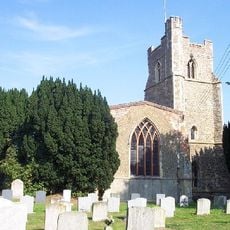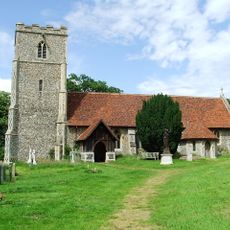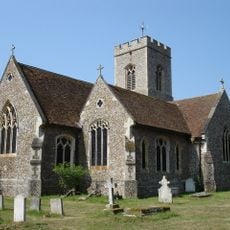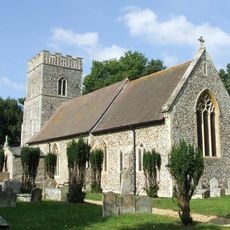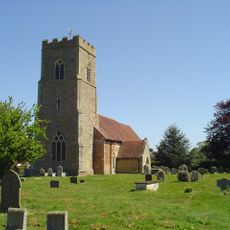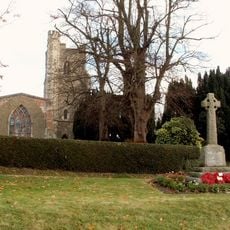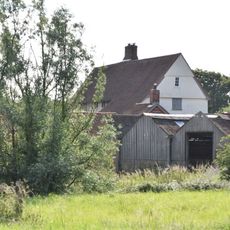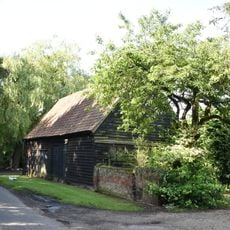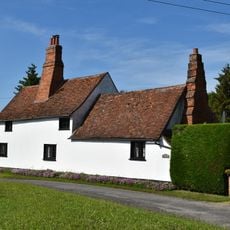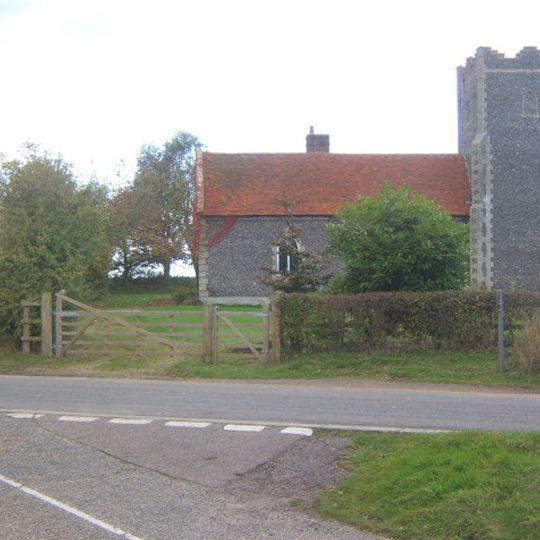
Tattingstone Wonder, Architectural folly in Tattingstone, England.
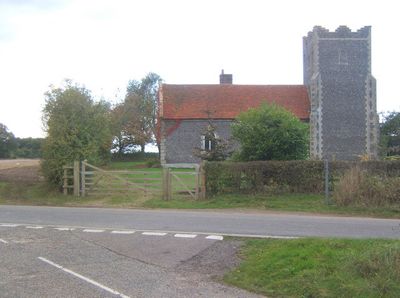
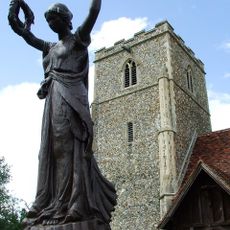
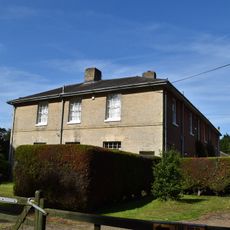
Tattingstone Wonder combines two cottages with an added tower and gothic windows to create a church-like structure with flint exterior walls. The building was carefully designed to resemble a religious building when viewed from the nearby road, though it functions as a dwelling.
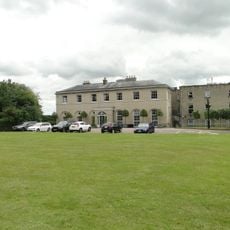
In 1790 Edward White transformed existing cottages into this architectural illusion to enhance the view from his nearby residence at Tattingstone Place. The project exemplified an 18th-century trend where property owners used buildings as decorative features to improve the appearance of their estates.
The structure became known through Walter Steggles' artwork in 1937 when it was featured in Shell oil's advertising campaign celebrating notable buildings across the country.
This Grade II* listed building is a private residence, so visitors can only view its exterior architecture from the public road nearby. The best viewpoint is from the lane outside the property, where the gothic windows and flint walls are clearly visible.
A brick marked with Thomas White's initials and the date 1790 is embedded in the exterior wall, marking exactly when construction took place. This embedded signature shows how builders of the era marked their work and provides rare physical documentation of when the project was completed.
The community of curious travelers
AroundUs brings together thousands of curated places, local tips, and hidden gems, enriched daily by 91,996 contributors worldwide.