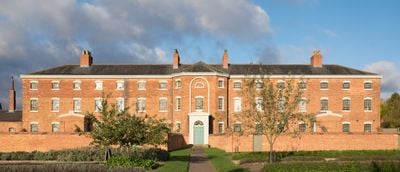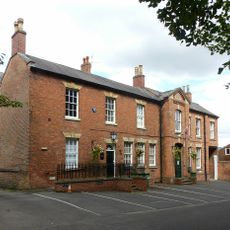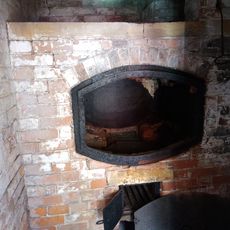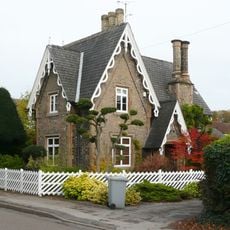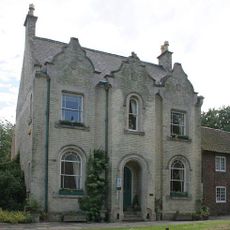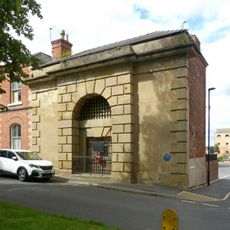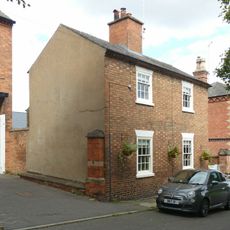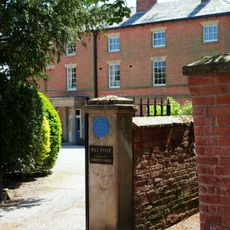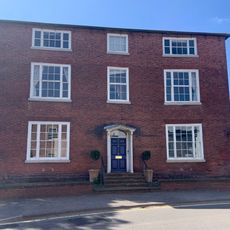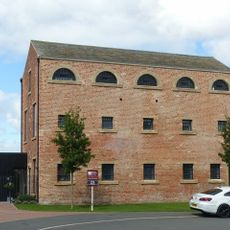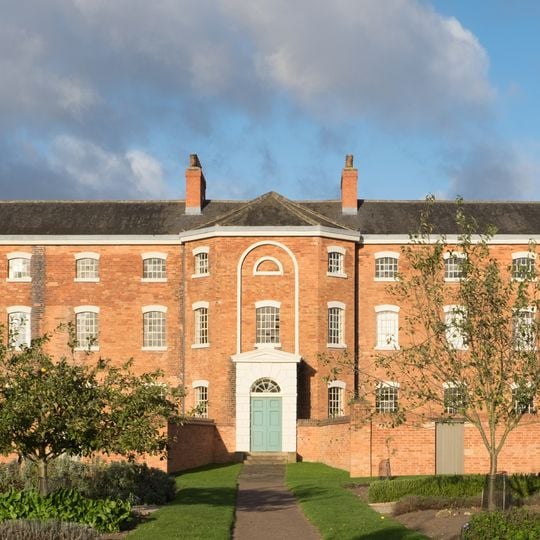
The Workhouse, Southwell, Grade II* listed poorhouse in Upton, England.
The Workhouse in Southwell is a three-story brick building that housed men, women, and children in separate sections with multiple courtyards and work areas throughout. The layout clearly shows how different spaces were designed for various tasks and groups.
William Adams Nicholson designed this institution in 1824, creating a model that shaped the New Poor Law reforms of 1834 across England. The design became a standard approach for handling poverty during this era.
The building shows how society viewed poverty and organized care through physical separation of different groups. Visitors can observe how the layout shaped daily life and reflect the values that authorities held about those in need.
The site is now a museum run by the National Trust with tours and detailed exhibits covering 19th-century life and conditions. Visitors should allow enough time to thoroughly explore all sections and exhibition materials.
The building remained in operation until the 1990s, making it the longest continuously used workhouse structure in England. This extended use makes it a rare record of continuous practice spanning over a century and a half.
The community of curious travelers
AroundUs brings together thousands of curated places, local tips, and hidden gems, enriched daily by 91,278 contributors worldwide.