Mount Caburn, Iron Age hillfort in Glynde, England
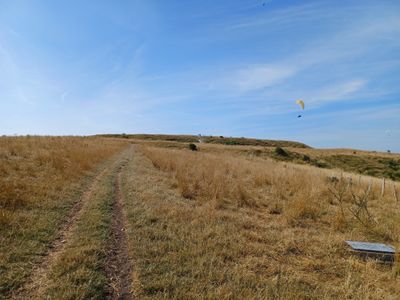
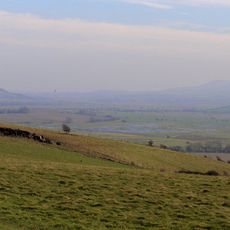
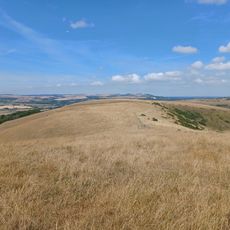
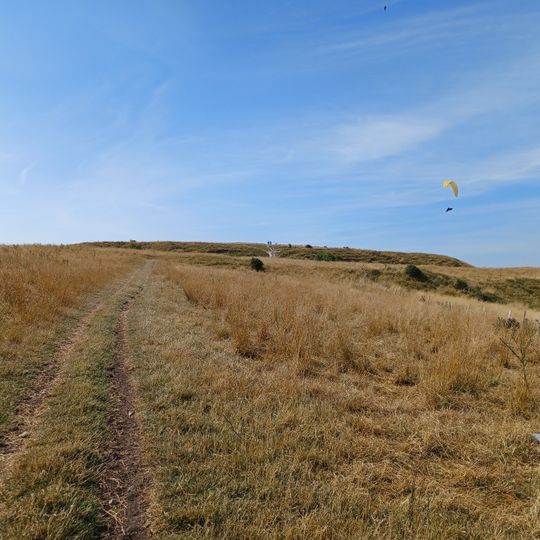
Mount Caburn is an Iron Age hillfort on a chalk hill near Glynde, in the South Downs of England, with defensive ramparts and ditches cut into its northern slopes. The site is also a scheduled monument and contains bowl barrows, making it one of the more layered prehistoric sites in this part of the country.
The fort was built in the middle Iron Age as a defended settlement, and excavations starting in 1877 uncovered burial pits containing weapons, tools, pottery and coins. These finds showed the site was used across several centuries, with later activity suggesting continued importance into the Romano-British period.
Local folklore says the Devil threw earth here while digging elsewhere in the region, which is why the hill rises so sharply from the surrounding flat land. This story has been told for centuries and shows how people tried to make sense of such an unusual landform in an otherwise gentle landscape.
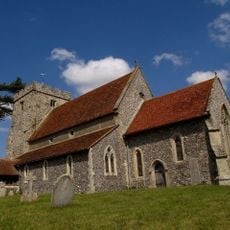
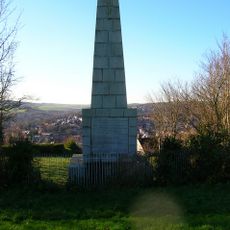
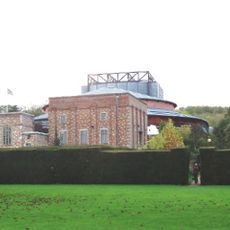
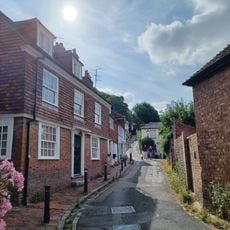
The hill is reached on foot from Glynde village, and the local train station makes it easy to arrive without a car. The path up is steep and crosses open grassland, so sturdy footwear is worth bringing, especially after rain.
The chalk slopes of the hill support one of the largest populations of burnt-tip and pyramidal orchids in Britain. These rare plants in turn attract species such as the Adonis blue and chalkhill blue butterflies, which are rarely seen in such numbers elsewhere.
The community of curious travelers
AroundUs brings together thousands of curated places, local tips, and hidden gems, enriched daily by 92,304 contributors worldwide.