Harrold Hall, Country estate in Harrold, England.
Harrold Hall was a three-story country mansion in Bedfordshire featuring an E-shaped floor plan with mullioned windows throughout its facade. The building displayed a grand entrance porch constructed from Weldon stone, showcasing the wealth and status of its owners.
Francis Farrar built Harrold Hall between 1608 and 1610 on the grounds of the dissolved Harrold Priory. The construction replaced a medieval religious site with a grand secular residence during a period of significant landowner transitions in England.
The building embodied the architectural preferences of wealthy English families during the Elizabethan period through its grand design and stone construction.
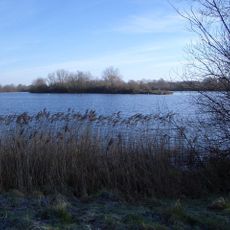
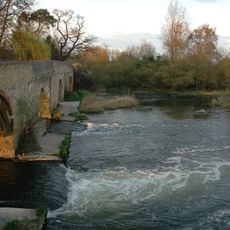
The former estate sat near the River Great Ouse in Bedfordshire, with its location offering access to local water systems and transport routes. Today the site presents limited opportunities for direct building exploration since the main structure was demolished, though the grounds and surrounding area remain of historical interest.
During World War II the building was repurposed as Camp 611, holding Italian prisoners of war within its rooms and grounds. This military chapter is often overlooked by visitors focusing only on its earlier elite history, yet it represents a crucial turning point in the building's final decades before its removal.
The community of curious travelers
AroundUs brings together thousands of curated places, local tips, and hidden gems, enriched daily by 60,000 contributors worldwide.