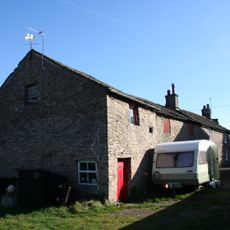
Hough Hole House, Grade II listed building in Rainow, Cheshire, England, UK
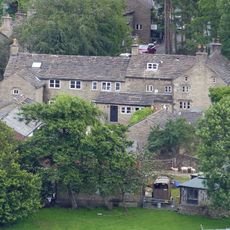
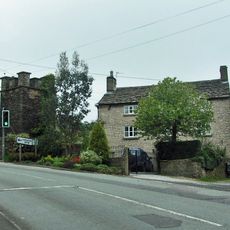
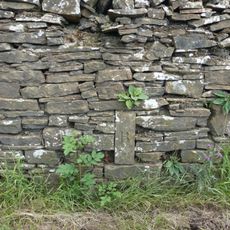
Hough Hole House is a two-story sandstone farmhouse in Rainow with a simple front divided into three sections and traditional casement windows. The interior contains fireplaces from the 18th and 19th centuries, thick stone walls, and thick chimneys that reflect building methods used long ago.
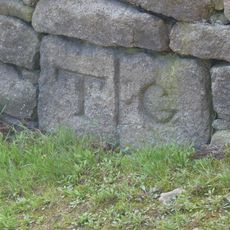
The house was built around 1600 and underwent several changes over the centuries, with key renovations and dates marked up to the 1800s. James Mellor purchased the house in 1796 and later built a water-powered workshop in the 1850s that was eventually combined with the main structure during 20th-century repairs.
The name refers to a clearing in the land, typical of how farms were organized in this area. The gardens still bear religious symbols and pathways that reflect the beliefs and stories important to families who lived here long ago.
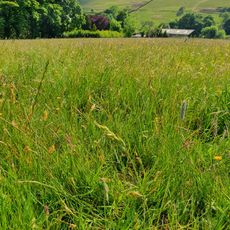
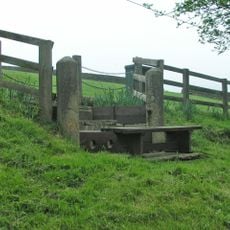
The house sits in a quiet countryside setting near Rainow, surrounded by fields and narrow country lanes that are best explored on foot or by bicycle. Since it remains a private residence, visitors can view it from outside while respecting its status as a protected heritage building.
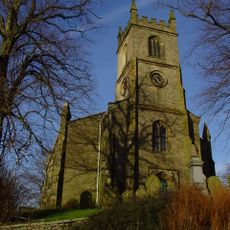
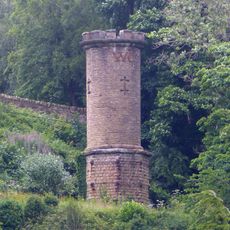
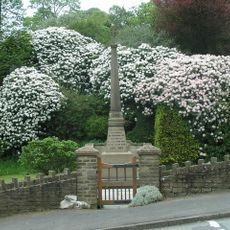
The gardens were designed in the 1800s with a hidden religious story inspired by John Bunyan's The Pilgrim's Progress, featuring a chapel built in 1844 and a representation of the Celestial City placed high on a hill. This unusual design turns the grounds into a spiritual narrative that reflects the personal faith of the family who shaped it.
The community of curious travelers
AroundUs brings together thousands of curated places, local tips, and hidden gems, enriched daily by 91,269 contributors worldwide.