Hurstingstone, Medieval administrative hundred in Huntingdonshire, England
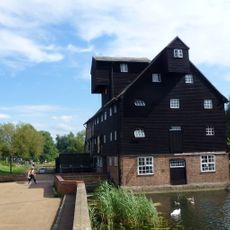
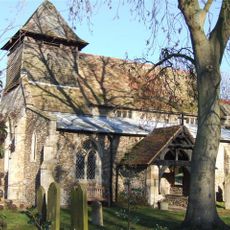
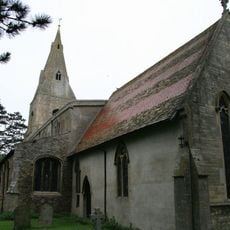
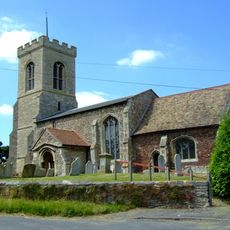
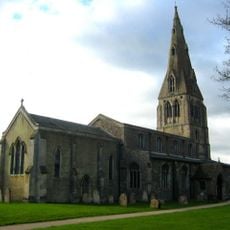
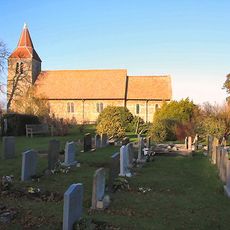
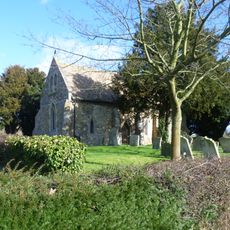
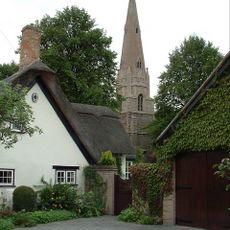
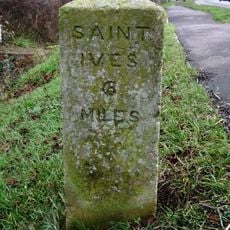
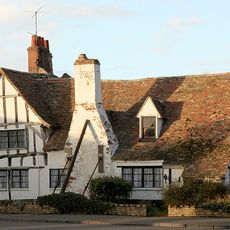
Hurstingstone was a medieval administrative unit in Huntingdonshire that spread across the eastern region and included twenty-five parishes such as St Ives, Ramsey, and Warboys. This area served as an organized jurisdiction responsible for governance and justice across multiple rural communities.
In 1155, King Henry I granted this hundred to Ramsey Abbey, which controlled it for centuries. The abbey held this authority until its dissolution in 1539.
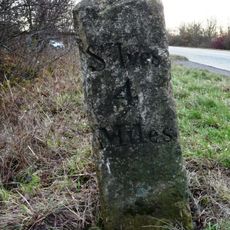
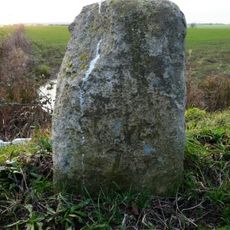
The name comes from the Hursting Stone, a chair-shaped rock where local courts met to settle disputes between residents. This stone served as the focal point for justice and defined the character of this medieval administrative area.
The original Hursting Stone once stood on Hurstingstone Hill between St Ives and Old Hurst, but is now displayed in the Norris Museum in St Ives. Visitors interested in learning more about this important historical site can find information and see the stone itself at the museum.
This hundred was not only a place for resolving disputes but also featured a gallows on Hurstingstone Hill, reflecting the darker side of medieval justice. This symbol of punishment played an important role in maintaining order across the entire region.
The community of curious travelers
AroundUs brings together thousands of curated places, local tips, and hidden gems, enriched daily by 92,717 contributors worldwide.