National Audio-Visual Conservation Center, audiovisual archive of the Library of Congress
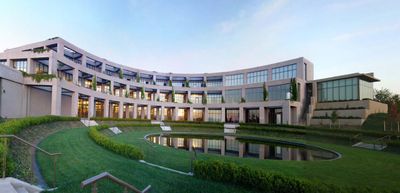
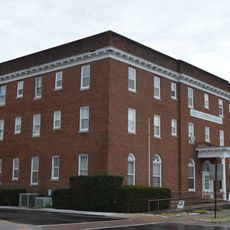
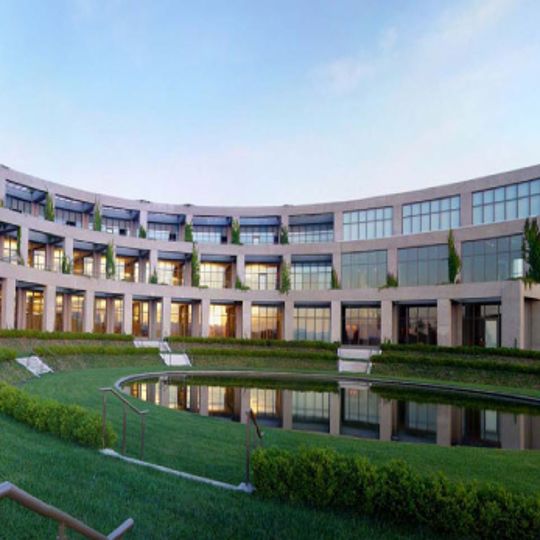
The National Audio-Visual Conservation Center is an archive and storage complex in Culpeper County operated by the Library of Congress, housing millions of films, television broadcasts, and sound recordings. The facility contains approximately 90 miles (140 km) of shelving in underground vaults designed to maintain stable temperatures and preserve diverse media formats.
The site was originally built in the 1960s as an underground bunker to protect Federal Reserve currency during the Cold War. After the Cold War ended, the secure bunker was repurposed in 1997 and formally opened as an audio-visual archive in 2007.
The name reflects the institution's mission to preserve audiovisual works for future generations. Visitors experience through screenings and public events how this place keeps film history and broadcasting traditions alive, fostering awareness of the nation's media heritage.
The grounds are open to visitors, but tours of the internal storage areas are available only during special events such as the annual fall open house. The site features a theater with about 200 seats where regular free film screenings and programs take place.
The building was originally constructed as an atomic bunker for the Federal Reserve with massive concrete walls and underground support systems. This original structure now provides natural insulation that enables storage without excessive heating or cooling systems.
The community of curious travelers
AroundUs brings together thousands of curated places, local tips, and hidden gems, enriched daily by 90,811 contributors worldwide.