Tappan Historic District, historic district in Orangetown, New York
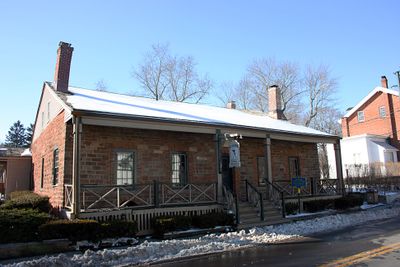
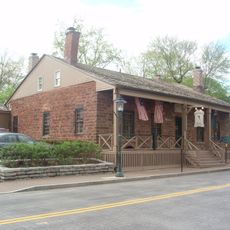
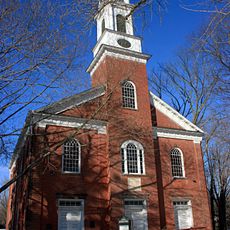
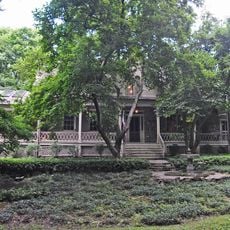
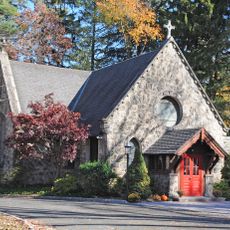
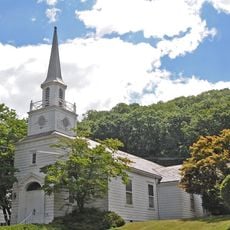
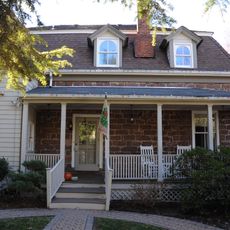
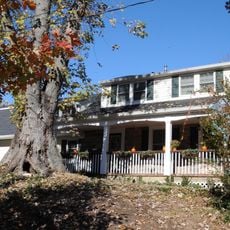
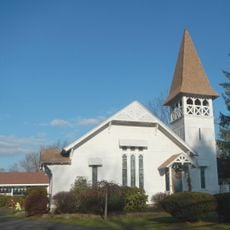
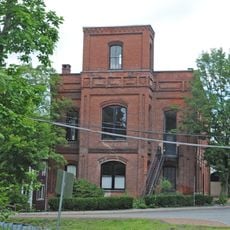
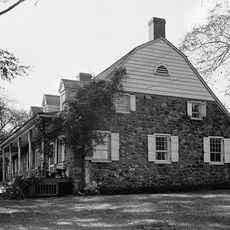
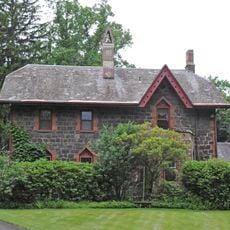
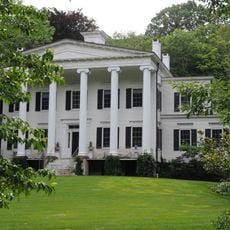
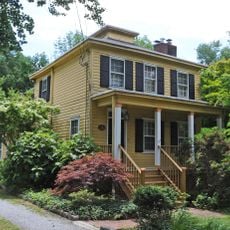
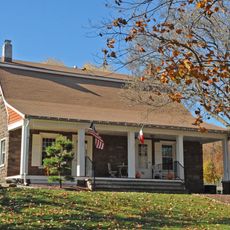
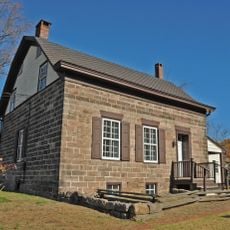
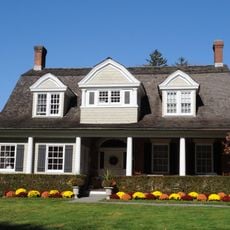
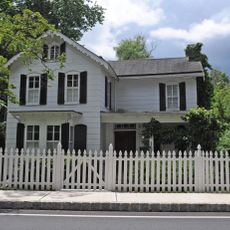
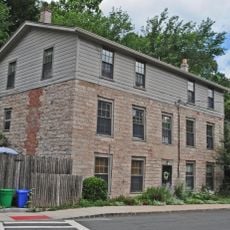
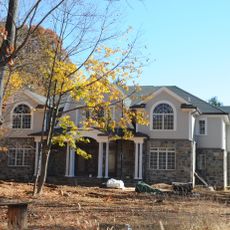
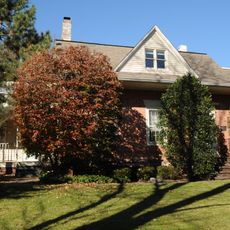
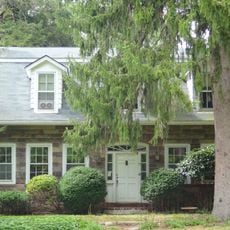
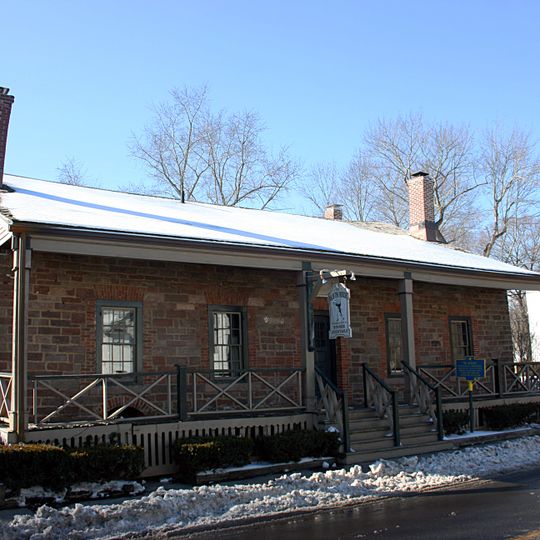
The Tappan Historic District is an approximately 85-acre area in Orangetown containing buildings from the 1700s, 1800s, and early 1900s made of wood or stone and set close to the street. The houses display various architectural styles, including Greek Revival from the 1830s, giving the area the appearance of a village from multiple historical periods.
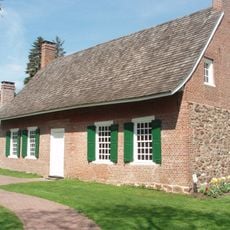
Dutch farmers first settled the area in 1686, purchasing land from Native Americans. The district became central to the American Revolution when Washington stayed at the DeWint House and British spy Major John Andre was executed here in 1780.
The name Tappan comes from a Lenape word meaning 'Cold Water'. The community keeps its original layout with Main Street lined by homes that show how people lived and worked across different centuries, creating a sense of continuity through the generations.
The area is walkable with Main Street and older homes easily visible as you stroll. The DeWint House opens from morning to afternoon on most days except Mondays, and the grounds have benches and paths for comfortable exploring.
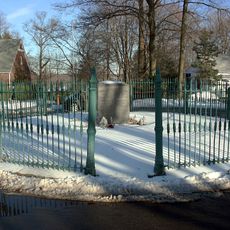
A cutting from a large Weeping Willow tree still grows beside the Carriage House even though the original tree is long gone. The cemetery at Tappan Reformed Church holds headstones dating before 1700, showing just how old the settlement truly is.
The community of curious travelers
AroundUs brings together thousands of curated places, local tips, and hidden gems, enriched daily by 91,362 contributors worldwide.