Evergreen, human settlement in United States of America
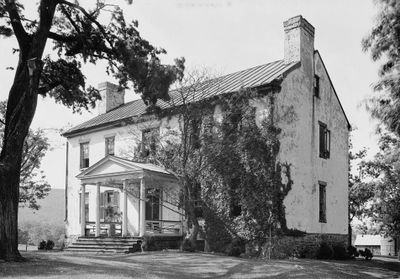
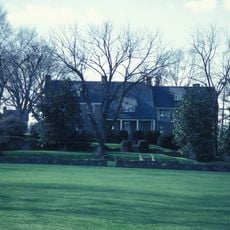
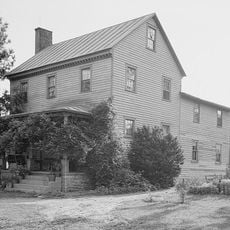
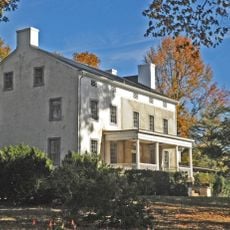
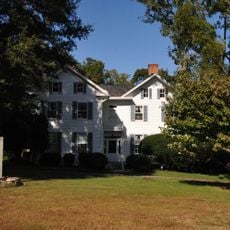
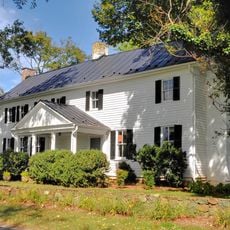
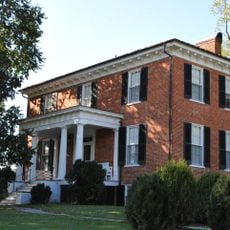
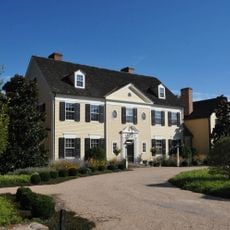
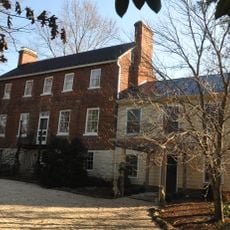
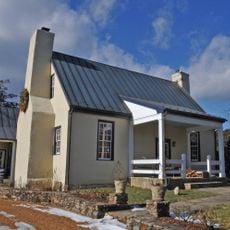
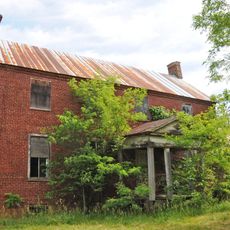
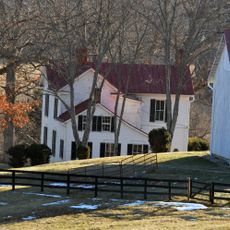
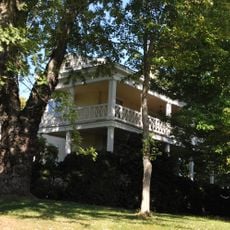
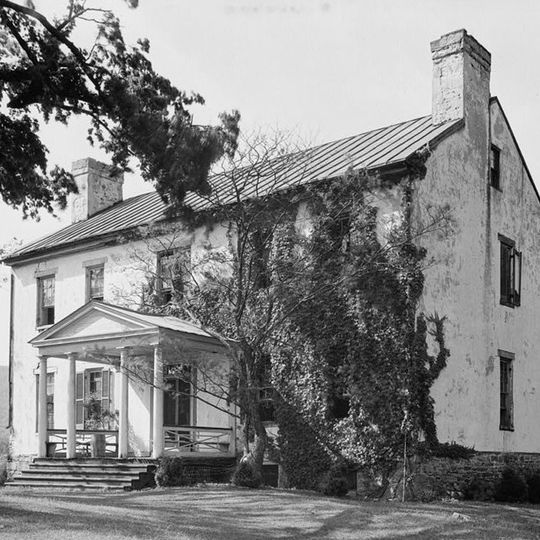
Evergreen is a stone plantation house built in 1827 in the Greek Revival style with three stories and a triangular roof, topped by a front porch with Doric columns. A large columned portico runs across the back of the structure, and Colonial Revival additions from 1940 include two wings that expand the original design.
Lewis Berkeley built Evergreen in 1827 as a plantation house, which his son Edmund inherited and expanded with enslaved workers numbering around 50 at its peak. During the Civil War, Edmund and his brothers fought for the Confederacy, and after the conflict, Edmund devoted himself to preserving battlefield history and veterans' remembrance.
The name Evergreen refers to the evergreen trees that once covered the land. The house's grand columns and stone construction reflected the wealth and standing of the Berkeley family in the community.
The property sits near Haymarket in Prince William County and is now part of a country club, so visitors should view the architecture from a distance and respect private property boundaries. Daytime visits work best for seeing the stone exterior and columns clearly, and the surrounding grounds offer views of the structure from various angles.
Edmund Berkeley was held as an infant by Marquis de Lafayette during his visit to America, a rare encounter with a revolutionary figure who shaped the nation's founding. His tireless work after the Civil War bringing together veterans from both sides for commemoration events created a bridge between former enemies in the local community.
The community of curious travelers
AroundUs brings together thousands of curated places, local tips, and hidden gems, enriched daily by 91,536 contributors worldwide.