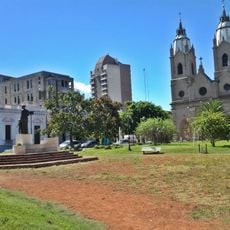
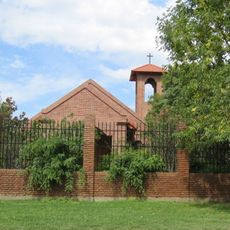
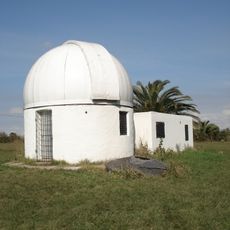
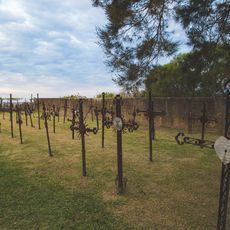
La Plata lowland, Vast plain in central South America.
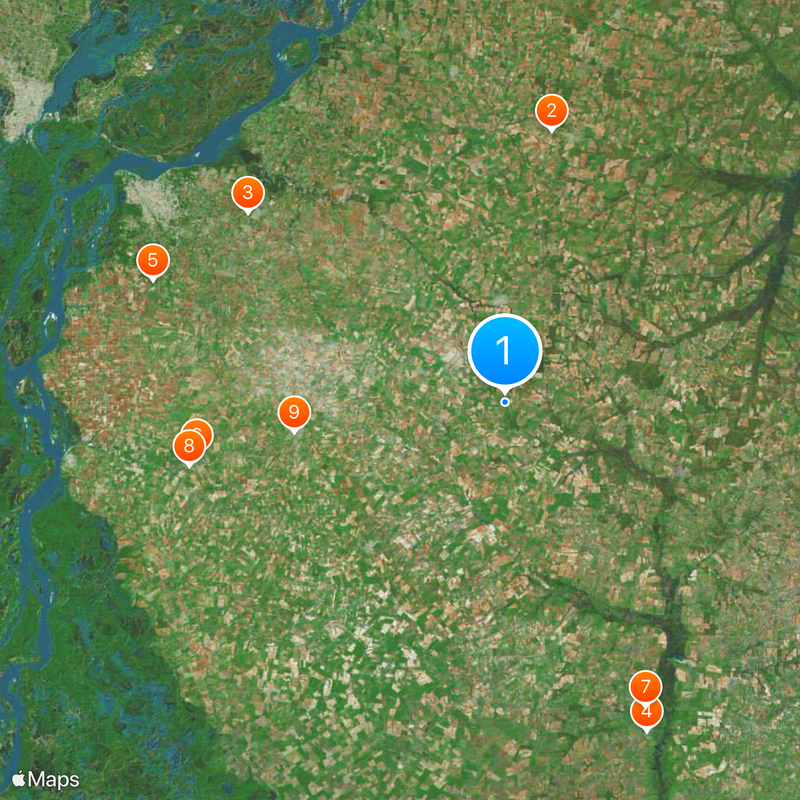
This lowland covers much of Argentina and Brazil and forms one of the largest plains on the South American continent. The flat terrain sits mostly below 200 meters elevation and is crossed by several major rivers that flow slowly toward the Atlantic.
Sediment deposits filled the depression between the Brazilian highlands and the Andes during the Quaternary and shaped the present plain. European settlers began farming the land in the 16th century and changed the appearance of the region fundamentally.
The name comes from the Spanish word for silver and refers to the river system that drains through the region. Visitors today see vast cattle ranches with grazing herds and wheat fields that turn golden in summer and are harvested in autumn.
Travelers cross the plain mostly by car or train, as the long distances between settlements require extended travel times. The best months to visit are April through October, when temperatures are moderate and rainfall is less frequent.
The northern section holds a vast depression that floods during the rainy season and forms one of the most biodiverse wetlands on Earth. Water levels there fluctuate by several meters and transform the landscape completely between dry and rainy seasons.
The community of curious travelers
AroundUs brings together thousands of curated places, local tips, and hidden gems, enriched daily by 91,004 contributors worldwide.