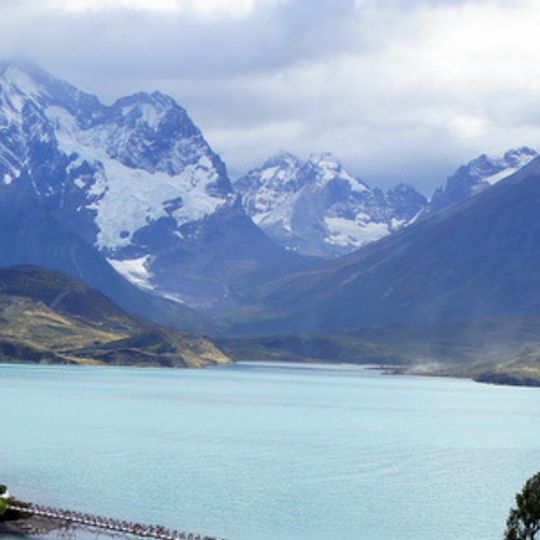
Zona Austral, Geographic region in southern Patagonia, Chile.
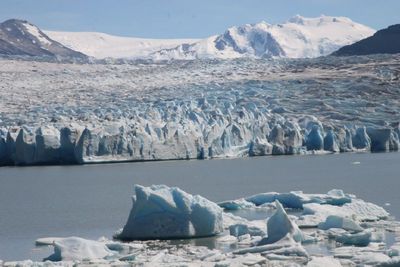
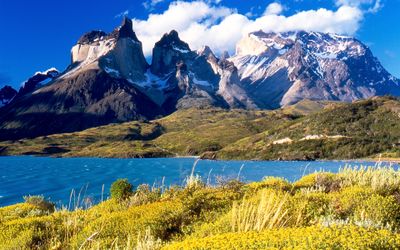
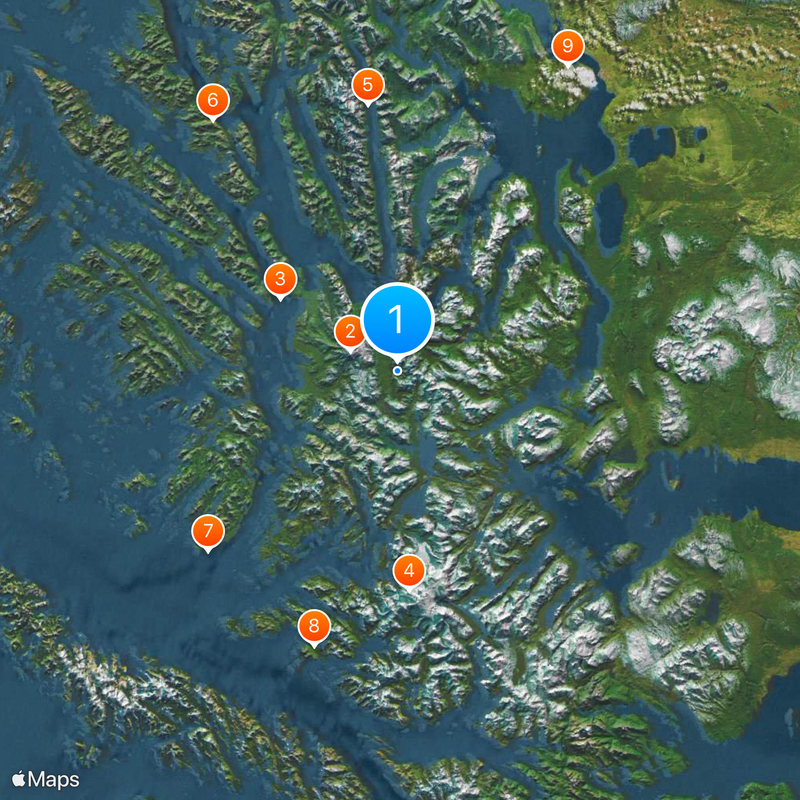
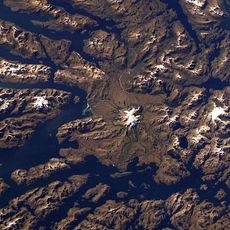
Zona Austral is a geographic region in southern Patagonia, Chile, stretching from Chiloé to Cape Horn and encompassing deep fjords, numerous islands, glaciers, and mountainous terrain. This region sits at the southern tip of the American continent and features fractured coastlines and harsh landscapes shaped by ice ages.
Archaeological finds in the caves of Fell and Pali Aike show human settlements dating back roughly 10,500 years, including Yagán, Selk'nam, and Kawésqar peoples. European settlement started in the mid-19th century and brought mainly Croatian and German immigrants to the area.
The name comes from the geographic position and means southern zone, a term residents use to mark their location at the continent's edge. Fishermen and ranchers shape everyday life, while some villages still host descendants of Croatian settlers who preserve family names and cooking traditions.
Boats and planes often remain the only way to travel between settlements due to heavily fragmented terrain. The Carretera Austral offers a narrow road access in the northern section and ends well before reaching the southernmost part of the region.
The snow line here runs at just 1,000 meters (3,280 feet) above sea level, which sits much lower than in most other mountain ranges worldwide. Trees grow only up to roughly 450 meters (1,476 feet) due to extreme climate conditions, leaving large sections of mountain slopes bare.
The community of curious travelers
AroundUs brings together thousands of curated places, local tips, and hidden gems, enriched daily by 92,844 contributors worldwide.