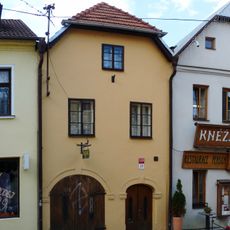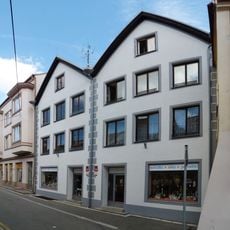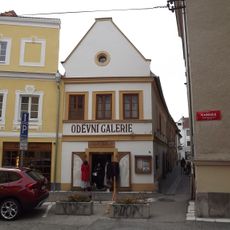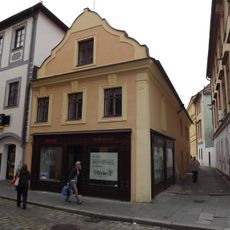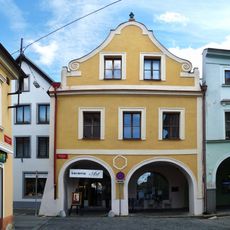
Kendeho vila, Cultural monument in České Budějovice, Czech Republic
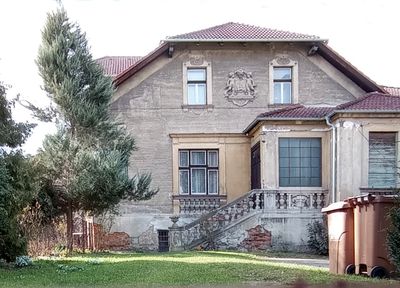
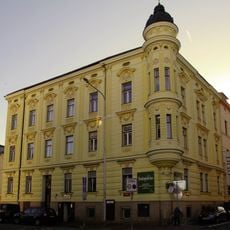
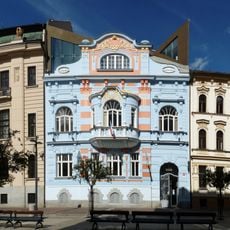
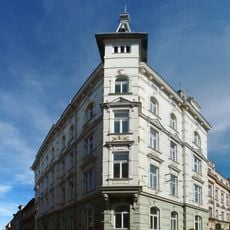
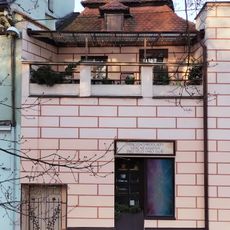
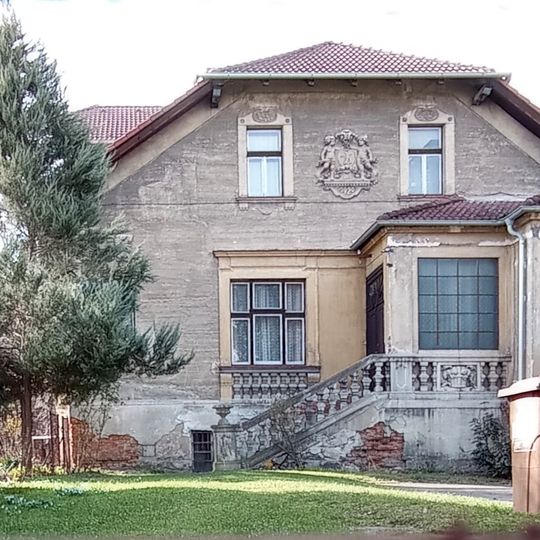
Kendeho vila is a three-story house in České Budějovice distinguished by its carefully worked details: original staircase elements, ornamental railings, and stone bases for urns mark its exterior and interior. The building was constructed with high-level craftsmanship that reflects the careful design standards of its era.
The villa was built in 1920 for mining director Viktor Konrad as a symbol of his wealth and status. It later passed to Josef Kohn, a Jewish businessman who changed his surname to Kende and made it his family home.
The house reflects the artistic tastes of those who lived here, with handcrafted details made by local artisans visible throughout the rooms. These spaces show how the owners expressed themselves through design during the interwar period.
The building is now open for visitors to view and can be explored from the outside, with the facade and garden side being particularly worth seeing. Visit during a calm afternoon when the details are visible in good light.
During World War II, the Gestapo used the house as a prison and interrogation center, leaving clear marks on the building's structure. This dark chapter is part of the house's story today and is openly acknowledged in how it is presented to visitors.
The community of curious travelers
AroundUs brings together thousands of curated places, local tips, and hidden gems, enriched daily by 92,634 contributors worldwide.