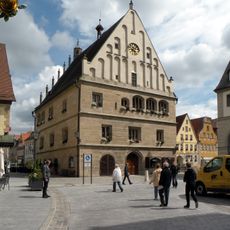
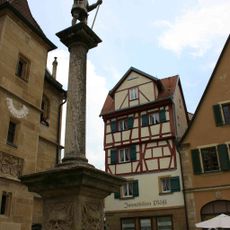
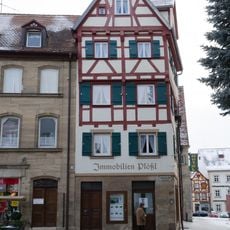
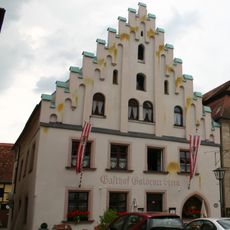
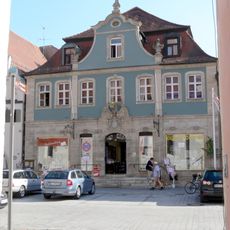
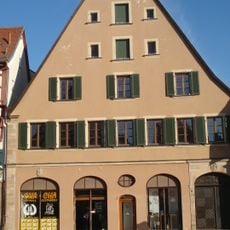
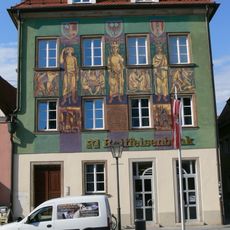
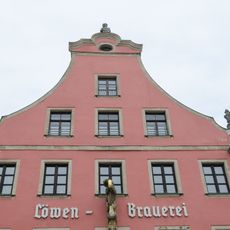
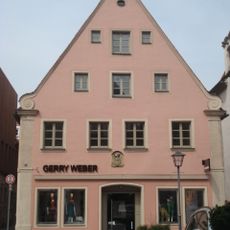
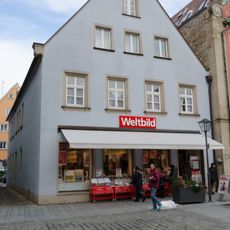
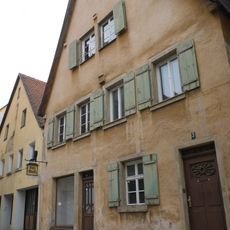
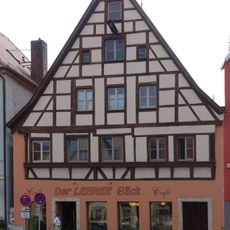
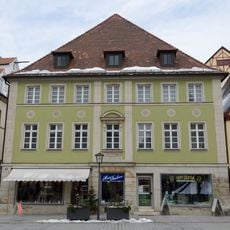
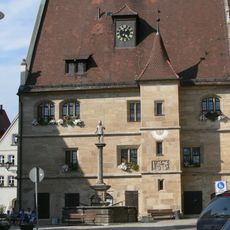
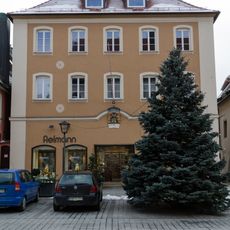
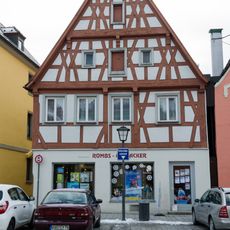
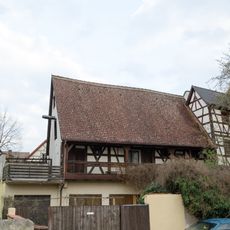
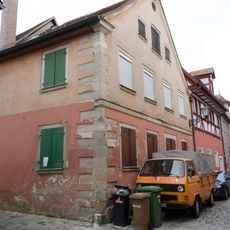
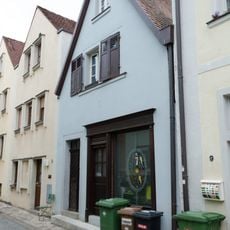
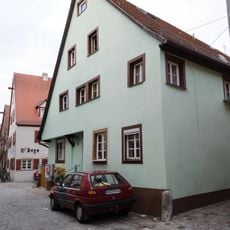
Altstadt, Medieval heritage ensemble in Weißenburg, Germany.
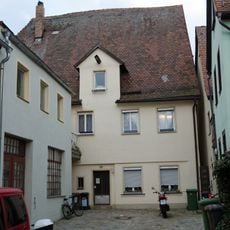
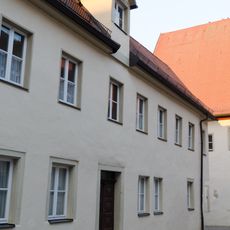
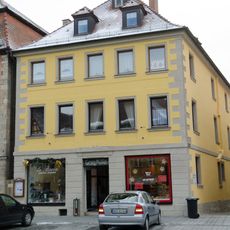
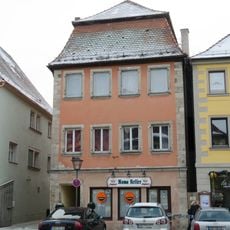
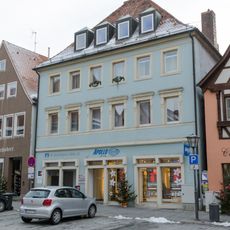
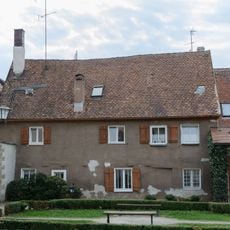
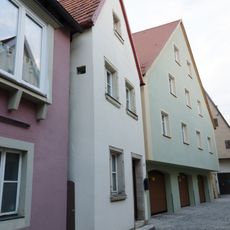
The old town is a walled medieval settlement with 38 fortification towers, Gothic structures, and narrow streets surrounding a central marketplace. The traditional buildings shape the appearance and show how the city developed over centuries.
The city began as a Frankish fortress and became a Free Imperial City in 1296 with self-rule. This independence ended in 1802 when the city lost its status.
The Andreas Church and the Reichsstadtmuseum display religious objects and regional collections that give visitors a sense of the past. These places shape how people experience the layered history reflected in the buildings and artifacts.
The tourist information center at Martin-Luther-Platz 3 offers guided tours, maps, and accommodation details for the historic district. The narrow streets are best explored on foot, so comfortable shoes are helpful.
The city walls include sections of the Roman Biriciana fort, which once had the largest thermal baths in southern Germany. This ancient foundation connects the place to both Roman and medieval history.
The community of curious travelers
AroundUs brings together thousands of curated places, local tips, and hidden gems, enriched daily by 91,427 contributors worldwide.