Kloster Sankt Andrä Freising, Benedictine monastery in Freising, Germany
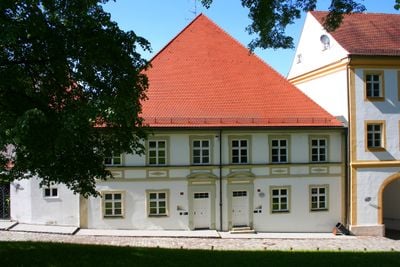
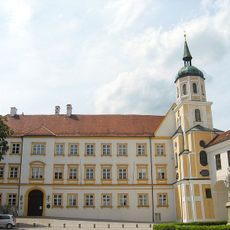
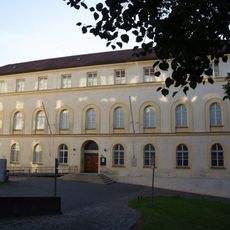
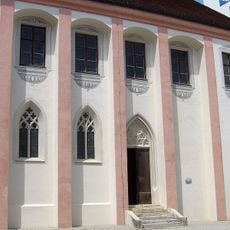
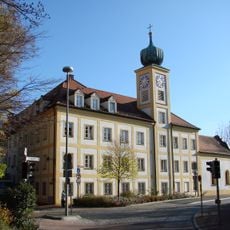
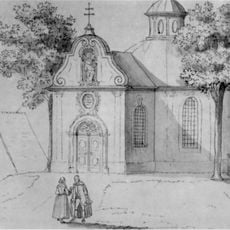
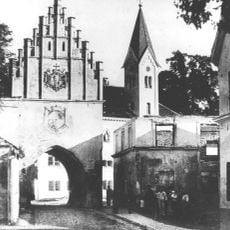
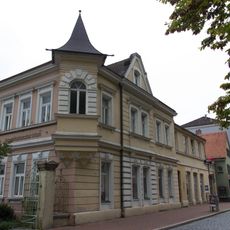
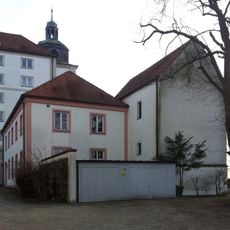
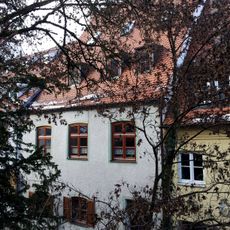
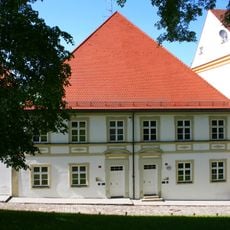
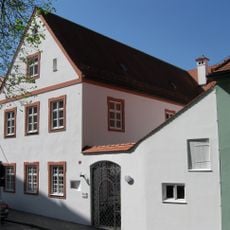
Kloster Sankt Andrä Freising was a Benedictine monastery on Domberg hill that stood as the second largest religious structure next to the Prince-Bishop's Residence. The complex included living quarters for monks, a church, and support buildings arranged around a central courtyard.
The site originated around 720 when priest Hugibert founded a small religious community. By 770 it received a church dedicated to Saint Andrew and became an important spiritual institution in the region.
The monastery served as a center of spiritual learning where monks participated daily in cathedral services and copied manuscripts as part of their daily work. These activities shaped Freising's religious and cultural life for centuries.
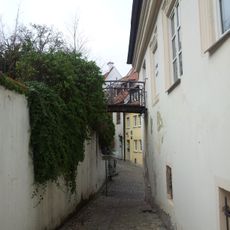
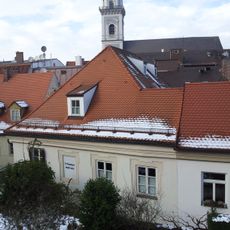
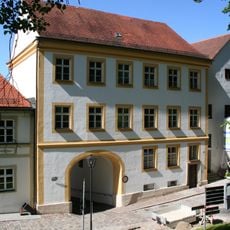
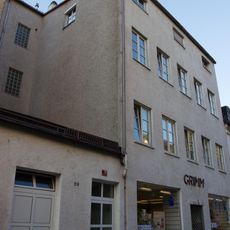
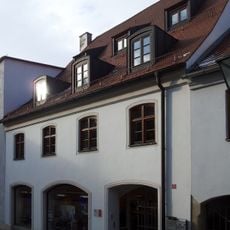
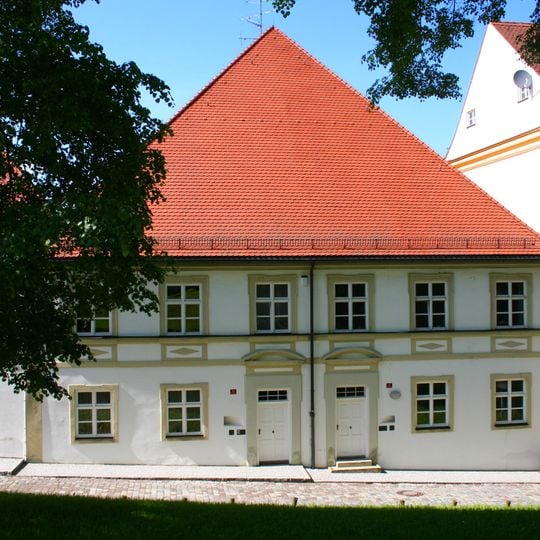
The former archive building remains accessible and is located southwest of the current Diocesan Museum. Visitors should note that only the exterior and limited interior areas may be accessible since this is a historical site.
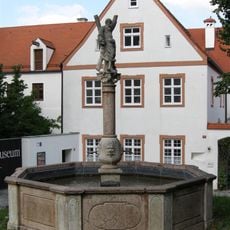
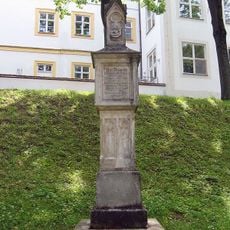
Where the monastery once stood now sits the Andreas Fountain from 1697, a reminder of the dissolved community that once lived there. The complex was demolished in 1803 but the fountain preserves its memory on this hill.
The community of curious travelers
AroundUs brings together thousands of curated places, local tips, and hidden gems, enriched daily by 91,689 contributors worldwide.