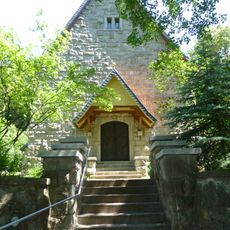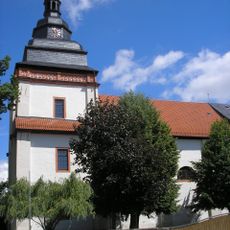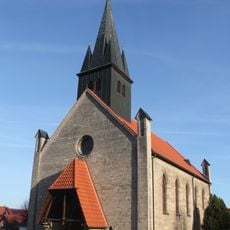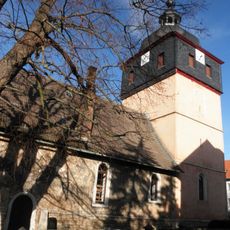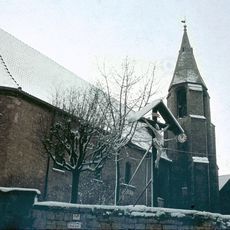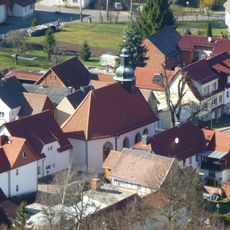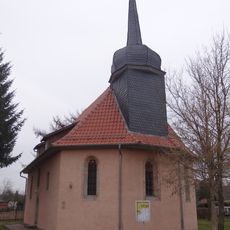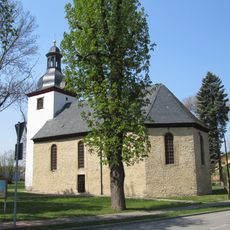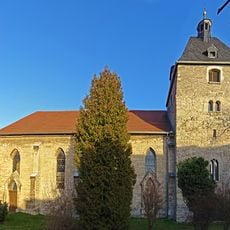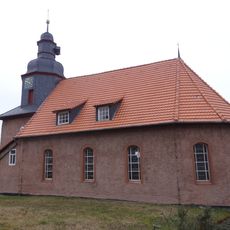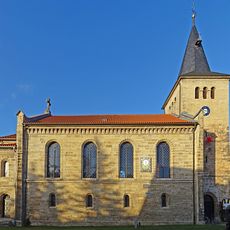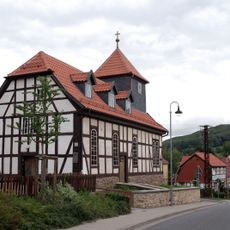
Wasserburg Deuna, Medieval water castle in Deuna, Germany.
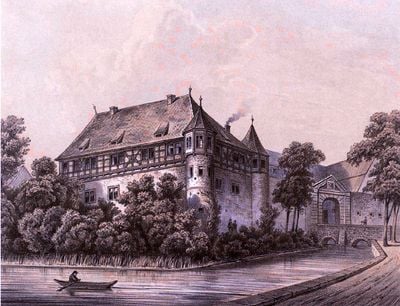
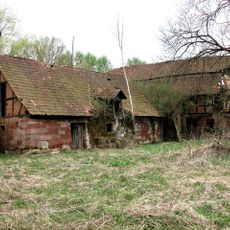
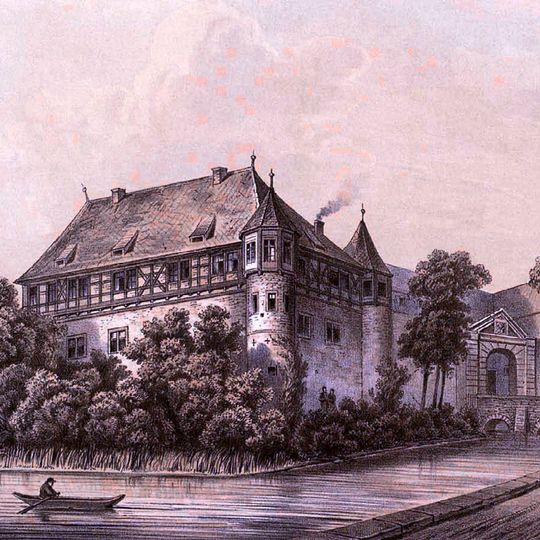
Wasserburg Deuna is a medieval water castle with stone foundations and timber-framed structures featuring three corner towers and preserved moats. The buildings are spread across flat terrain and show the typical layout of a lowland fortress designed for territorial control.
Built in the 13th century to guard a salt trade route, the castle first appears in records in 1262 under Heinrich von Dunde. It later became a major estate and residence under the von Hagen family until the 1525 Peasants' War resulted in its partial destruction.
The name refers to the water moats that still surround the site on the village's eastern edge. The von Hagen family used this fortress for generations to demonstrate their authority and maintain their position in the region.
Today the site functions as a retirement home, so access is limited to prior arrangement with the facility. The exterior and moats can be viewed from the grounds during daylight hours, though interior tours are not typically available to the public.
The castle became a center of the Reformation in the region when Martin Luther visited the von Hagen family in 1515, prompting their conversion to Protestantism. This visit marked a turning point for the property and made it symbolically important for the area's religious transformation.
The community of curious travelers
AroundUs brings together thousands of curated places, local tips, and hidden gems, enriched daily by 92,738 contributors worldwide.