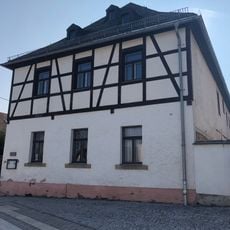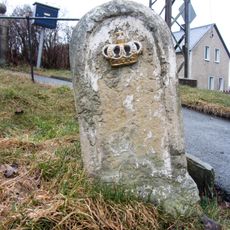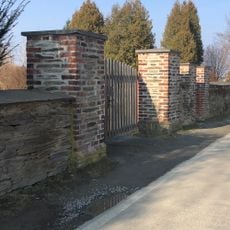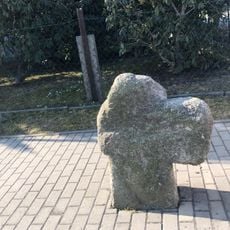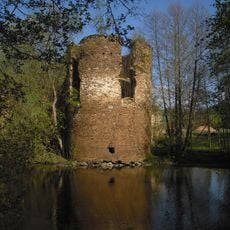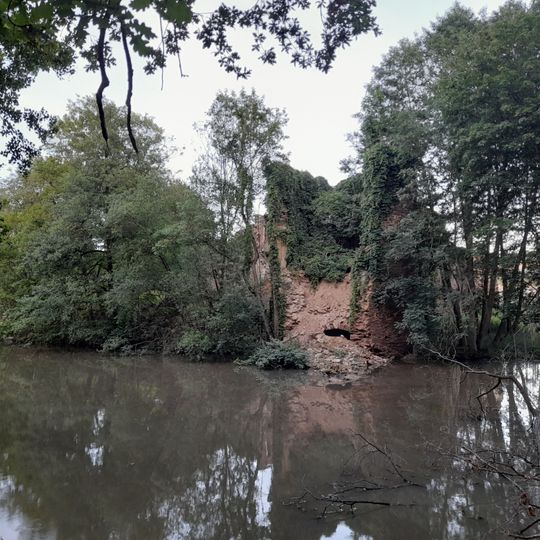
Wasserburg Mechelgrün, Medieval castle ruins in Neuensalz, Germany
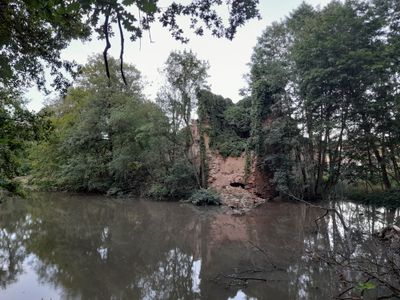
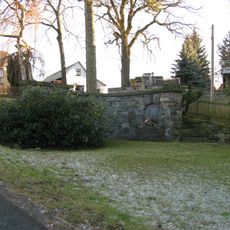
Wasserburg Mechelgrün is a castle ruin in Neuensalz comprising stone remains surrounded by four corner towers and traces of former water defenses. The site sits within a park landscape and features a small body of water created in the 19th century when the moat was partially drained.
The water castle was founded between 1180 and 1200 as a noble residence under Johannes Rabe de Mechthildegrune, first documented in official records in 1276. A major fire in 1670 led to its transformation into a redesigned palace with a different architectural character.
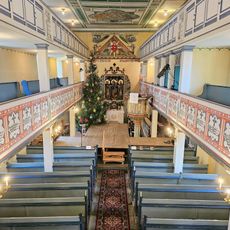
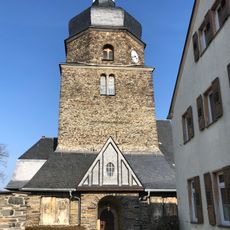
A chapel built into the castle in 1475 served the Theuma parish as a place of worship until its closure in 1874. This small sanctuary reveals how the residents integrated religious practice into their daily lives within these walls.
Visitors can explore the ruins by following a circular walking path around the small lake that has formed on the site. The terrain is relatively flat and offers straightforward access for most people.
The fortress was originally a pure defensive structure but was completely redesigned after the 1670 fire and transformed into a grand residential palace. This shift from fortification to palace reflects how the nobility's needs and lifestyle changed over time.
The community of curious travelers
AroundUs brings together thousands of curated places, local tips, and hidden gems, enriched daily by 90,997 contributors worldwide.