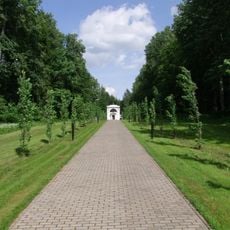
Sangaste Manor, Neo-Gothic manor in Sangaste parish, Estonia.
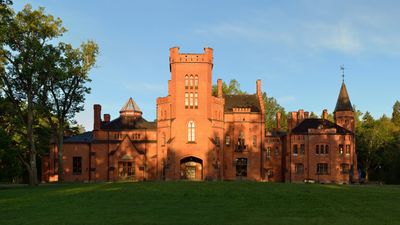
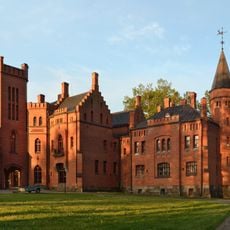
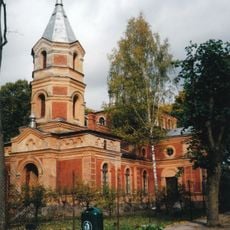
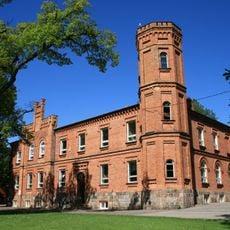
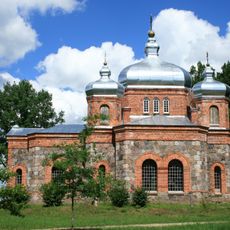
Sangaste Manor is a red brick building with pointed arches and ornate stone details inspired by English Tudor architecture, constructed between 1879 and 1883. The exterior displays decorative stone work and arch forms that reflect late 19th-century design choices of its creator, architect Otto Pius Hippius.
The building was constructed from 1879 to 1883 under architect Otto Pius Hippius and replaced earlier structures that stood on the site. It was built for a Baltic German noble family during a period when such estates remained centers of influence in the region.
The manor served as a home for Baltic German noble families who shaped the local region over generations. The rooms and their furnishings reflect how these families lived and the role such estates played in the area's life.
The site is accessible to visitors who can see the exterior and some interior spaces that retain original features. Wear suitable clothing as indoor areas can feel cool, and sturdy footwear is helpful for walking the grounds comfortably.
The manor had telephone installations as early as 1896 and received electric lighting in 1907, making it a technologically advanced residence for its time. These early modern installations reveal that residents had access to the latest innovations available in that era.
The community of curious travelers
AroundUs brings together thousands of curated places, local tips, and hidden gems, enriched daily by 92,250 contributors worldwide.