Cuevas de la Araña en Bicorp, Prehistoric cave art site in Bicorp, Spain
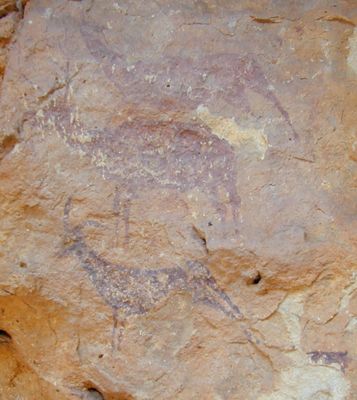
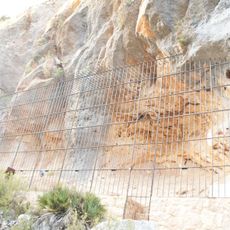
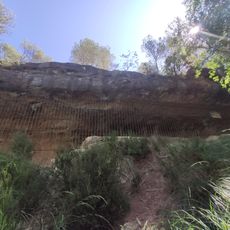
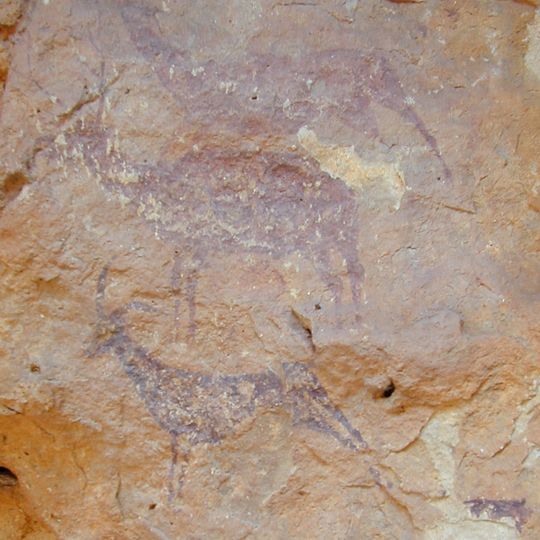
Cuevas de la Araña is a prehistoric rock art site with paintings on limestone walls displaying hunting scenes, animal figures, and honey gathering activities. The artworks show skilled depiction of human interactions with nature and wildlife.
The paintings were discovered in 1920 and date back over 10,000 years, revealing early human activities in eastern Spain. They provide evidence of how prehistoric people hunted, gathered, and organized their communities.
The site represents Levantine artistic traditions and is recognized by UNESCO as World Heritage for its role in Mediterranean rock art. It shows how prehistoric communities expressed their daily activities through painting.
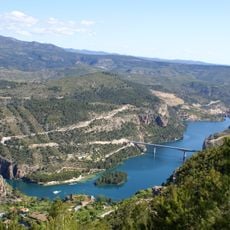
Visits require advance booking through Bicorp Ecomuseum, with guided tours lasting around three hours led by specialists. Wear sturdy shoes as the path is uneven and crosses natural terrain to reach the rock shelters.
The site contains the oldest known depiction of honey gathering in human history, captured in a painting of a figure climbing ropes to collect honey from wild bee nests. This artwork provides rare evidence of early human interaction with bees for food.
The community of curious travelers
AroundUs brings together thousands of curated places, local tips, and hidden gems, enriched daily by 91,938 contributors worldwide.