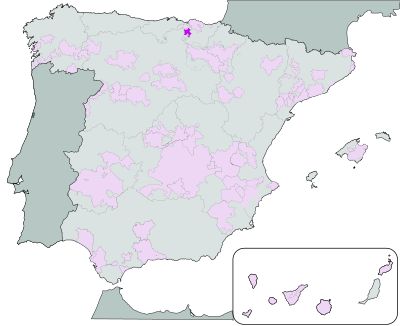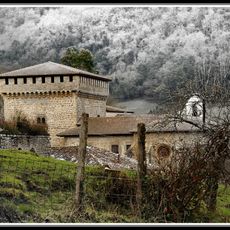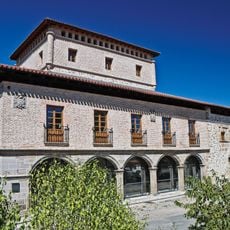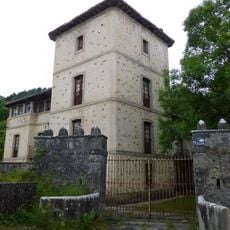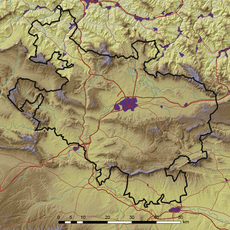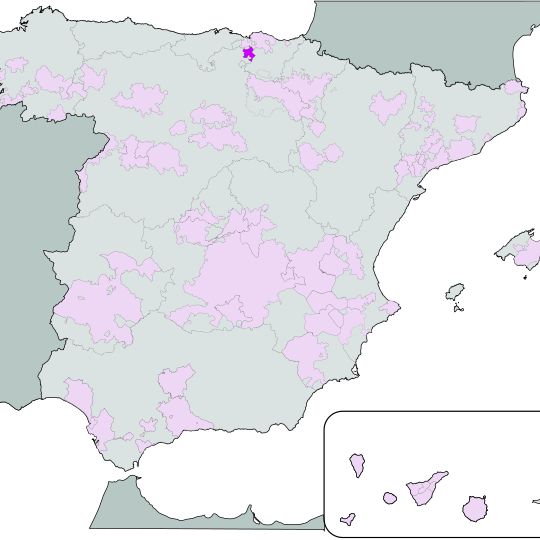
Txakoli de Álava, Protected wine region in Álava Province, Spain.
Txakoli de Álava is a wine region in the Basque Country that spreads across rolling hills in northern Spain, with vines trained on trellises throughout the landscape. The white wines produced here come from Hondarrabi Zuri grapes that thrive in the cool, damp climate influenced by Atlantic weather patterns.
This wine region received official protection status in 1989, recognizing a tradition that had persisted for centuries in the Basque hills. The designation sparked growth in the number of producers and renewed interest in maintaining the local winemaking heritage.
This wine holds special meaning in Basque culture and is produced by small family wineries that welcome visitors interested in local traditions. The way grapes are grown here reflects practices passed down through generations that remain central to the region's identity.
Visitors can explore the region by stopping at individual wineries scattered across the landscape and spending time walking among the vine-covered hills. The best time to visit is during harvest season in the fall, when the vineyards are most active and producers welcome guests.
The vines are grown at unusually high densities on trellises, a method that developed as a response to the region's frequent heavy rainfall and Atlantic humidity. This careful spacing allows the grapes to mature properly despite the damp conditions and creates the wine's distinctive crisp, slightly tart character.
The community of curious travelers
AroundUs brings together thousands of curated places, local tips, and hidden gems, enriched daily by 91,632 contributors worldwide.