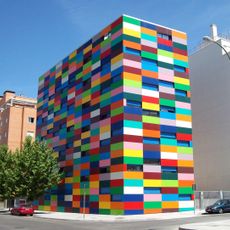
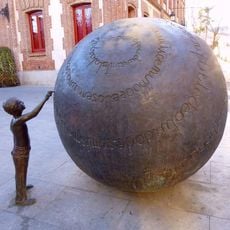
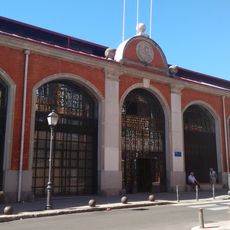
Malasaña, Alternative district north of Gran Via in Madrid, Spain
Malasaña is a residential neighborhood north of Gran Via featuring independent boutiques, vintage shops, record stores, and traditional taverns set within 19th-century buildings. This mix of retail and residential spaces creates an informal street life that feels lived-in and pedestrian-friendly throughout the quarter.
The neighborhood takes its name from Manuela Malasaña, a young seamstress who died during the uprising against French occupation on May 2, 1808. This pivotal event on what became known as Dos de Mayo shaped the area's identity for centuries to come.
The plaza at the heart of the neighborhood serves as a gathering place where the spirit of 1980s youth culture remains visible in galleries, music venues, and street art. The area continues to function as a space where creative expression and individuality are openly celebrated by residents and visitors alike.
Four metro stations serve the area: Noviciado, Tribunal, Gran Vía, and San Bernardo, providing easy access from anywhere in Madrid. The compact layout makes it straightforward to explore on foot without needing additional transport.
The Church of San Antonio de los Alemanes contains elaborate ceiling frescoes within an elliptical structure, a rare example of 17th-century architectural experiment. This hidden artwork reveals another dimension of the neighborhood beyond its modern shops and nightlife.
The community of curious travelers
AroundUs brings together thousands of curated places, local tips, and hidden gems, enriched daily by 60,000 contributors worldwide.