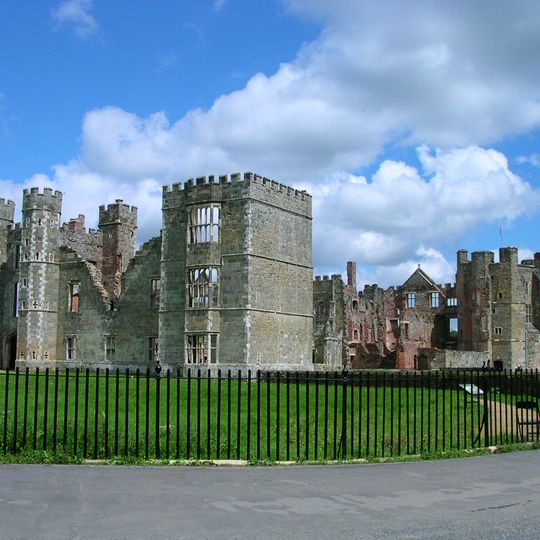
Cowdray House, Tudor manor ruins in Easebourne, England
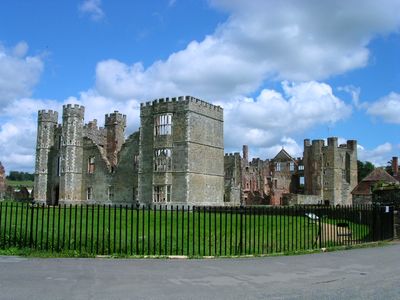
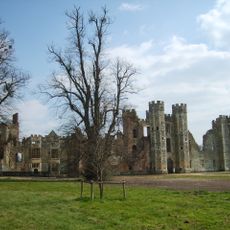
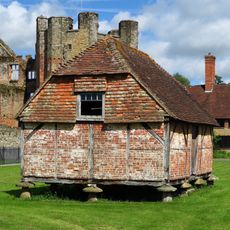
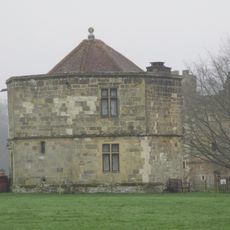
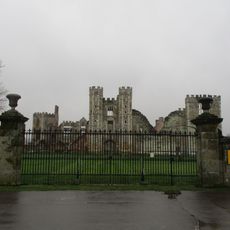
Cowdray House is a Tudor manor ruin in Easebourne, England, with fortified outer walls and stone carvings around window frames. The remains show a large inner courtyard, archways, and several tower sections that reveal the original layout.
The building rose in the early 16th century under Sir David Owen and was later expanded by Sir Anthony Browne, who made it one of the most important Tudor seats in southern England. A devastating fire in 1793 destroyed much of the structure, leaving only the outer walls and tower sections standing.
The name Cowdray comes from the French word "coudraie," meaning hazel grove, recalling earlier Norman landowners. The estate served for centuries as a country seat for grand entertainments and hunting parties of the English aristocracy.
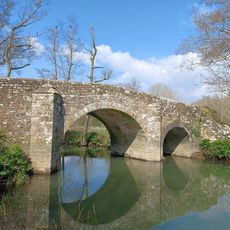
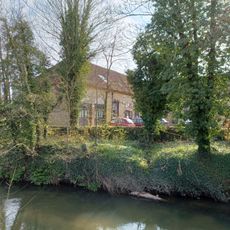
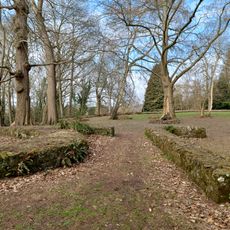
Access follows a footpath along the riverbank, and visitors should wear sturdy footwear as the paths can be uneven. The ruin is open to explore and suits a quiet walk through history, especially on sunny days.
A hidden cellar beneath the ruins was only rediscovered during conservation work in 2007 and still contains original vaulted structures from the Tudor period. The spot where the fire started is still visible today through soot marks on the stone walls.
The community of curious travelers
AroundUs brings together thousands of curated places, local tips, and hidden gems, enriched daily by 91,872 contributors worldwide.