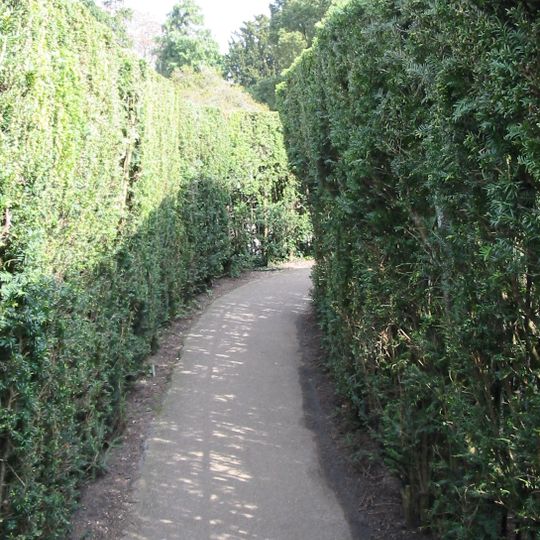
Hampton Court Maze, Hedge maze at Hampton Court Palace, England.
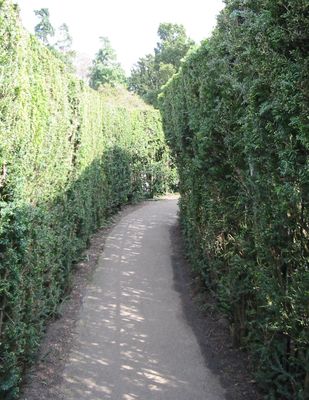
Hampton Court Maze is a hedge maze with curved pathways lined by tall yew hedges that create distinct corridors. The layout follows a trapezoidal pattern and features multiple interwoven routes that eventually lead to a central platform.
The maze was commissioned by King William III between 1689 and 1695, making it Britain's oldest surviving hedge maze. The original design has been preserved and regularly maintained over the centuries to keep its historical form intact.
The maze was built as a place for recreation and social gatherings during the royal court era. Today, visitors can see how it served as an outdoor puzzle where people could wander and spend time together.
Visitors typically need 20 to 30 minutes to reach the center, depending on navigation skills and pace. The paths are well-maintained and walkable, and you can always turn back if you become disoriented.
The maze was originally designed with pathways that formed a specific pattern when viewed from above, yet no one could see this from the ground in that era. It was only decades later with aerial photography that this intentionally hidden artistic design was finally revealed.
Location: Hampton Court Palace
Part of: Hampton Court Palace
GPS coordinates: 51.40620,-0.33760
Latest update: December 6, 2025 16:02
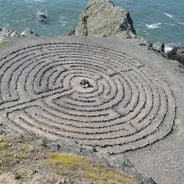
Labyrinths have been part of human architecture for thousands of years, serving religious, meditative, and decorative purposes. Chartres Cathedral preserves one of the most famous medieval floor mosaics in Europe, guiding pilgrims along a 13-meter-wide path made of blue and white stones. English castles like Hampton Court developed hedge mazes from the 16th century onward as part of their formal gardens, while Italian Renaissance villas integrated geometric stone patterns into their terraces. The collection also includes underground structures such as the Paris Catacombs, whose winding passages were originally quarries, or the Roman cisterns of Istanbul with their rows of columns. Each era and region developed its own techniques: medieval stonework in cathedrals, baroque garden architecture with trimmed hedges, or pre-Columbian temple complexes with ritual pathways. These sites document various construction methods, from laying colored stone mosaics to creating multi-level garden courses to constructing underground vaults. They offer insights into historical craftsmanship and the symbolic meaning of the labyrinth across different cultures.
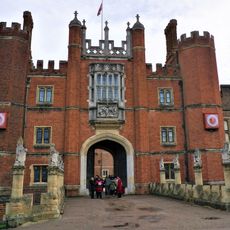
Hampton Court Palace
312 m
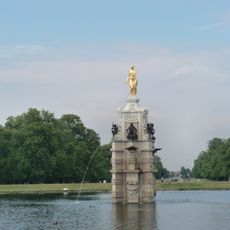
Diana Fountain
426 m
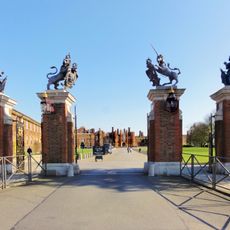
The King's Beasts
315 m
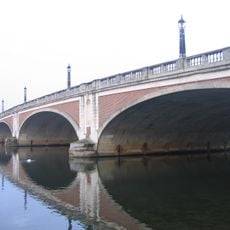
Hampton Court Bridge
427 m
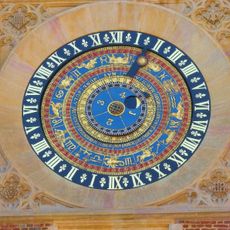
Hampton Court astronomical clock
310 m
The Old Court House
353 m
Official Ticket Office, Hampton Court Palace
285 m
Flora
413 m
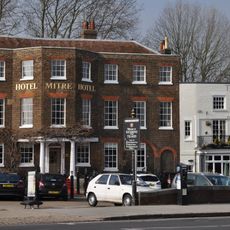
Mitre Hotel
392 m
Park House
391 m
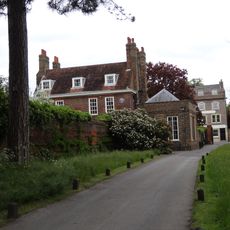
The Wilderness House
60 m
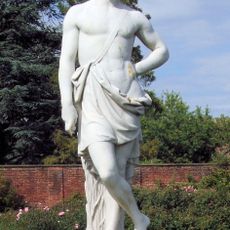
Adonis
407 m
The Three Graces
459 m
Hercules Slaying the Nemean Lion
304 m
Hampton Court Tilt Yard Tower
207 m
Kings Arms Hotel
24 m
Royal Mews and Great Barn
409 m
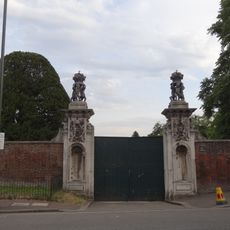
Hampton Court Lion Gates
35 m
Flowerpot Gate
155 m
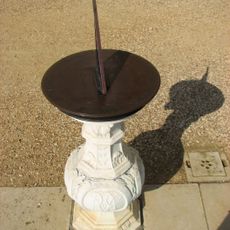
Sundial in Privy Garden
391 m
Trophy Gates
321 m
Banqueting House
441 m
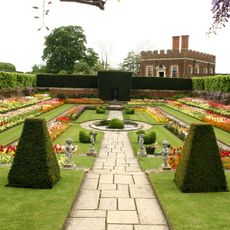
FOUNTAIN GARDEN
412 m
Sunk Garden
384 m
North-eastern gate to Fountain Garden
380 m
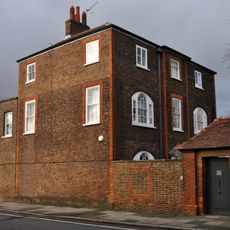
Superintendants House The Georgian House
231 m
Barracks
278 m
Lower Orangery
352 mVisited this place? Tap the stars to rate it and share your experience / photos with the community! Try now! You can cancel it anytime.
Discover hidden gems everywhere you go!
From secret cafés to breathtaking viewpoints, skip the crowded tourist spots and find places that match your style. Our app makes it easy with voice search, smart filtering, route optimization, and insider tips from travelers worldwide. Download now for the complete mobile experience.
A unique approach to discovering new places❞
— Le Figaro
All the places worth exploring❞
— France Info
A tailor-made excursion in just a few clicks❞
— 20 Minutes