Stanley Ferry Aqueduct, Cast iron aqueduct in Wakefield, England
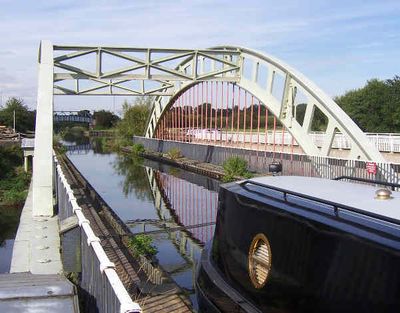
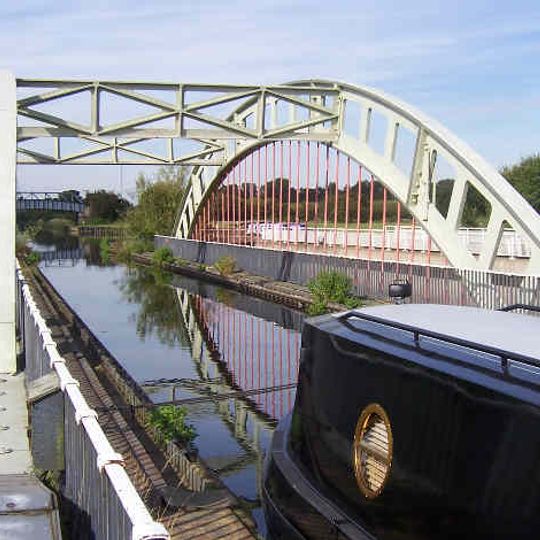
Stanley Ferry Aqueduct is a cast iron structure that crosses the River Calder, built with fluted Doric columns and large bow-spring girders. The structure continues to serve as a waterway and was supplemented in 1981 with an additional concrete construction to accommodate modern vessels.
Built between 1836 and 1839, it was one of the earliest through arch bridges of its kind and the longest cast iron aqueduct when completed. This design set standards for water transport structures during Britain's industrial period.
The structure shows how people in the 19th century moved water across rivers using bold new designs. It stands today as a symbol of industrial achievement and is recognized by visitors as a key example of British engineering.
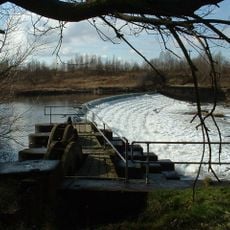
The aqueduct can be viewed from outside and offers good views of the structure and the river below. The best viewing angle is from the riverside areas, where you can see the iron structure and its details clearly.
The aqueduct holds about 940 tons of water in its trough, which rests on two massive bow-spring girders. This was a technical achievement at the time because nothing like it had been built at this scale with these materials before.
The community of curious travelers
AroundUs brings together thousands of curated places, local tips, and hidden gems, enriched daily by 91,566 contributors worldwide.