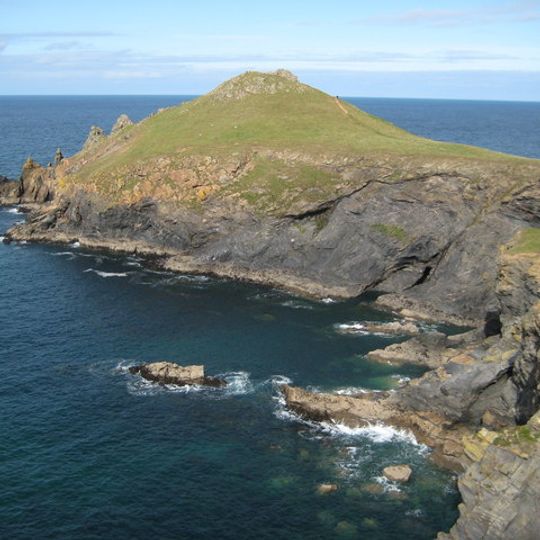
The Rumps, Iron Age promontory fort in Cornwall, England
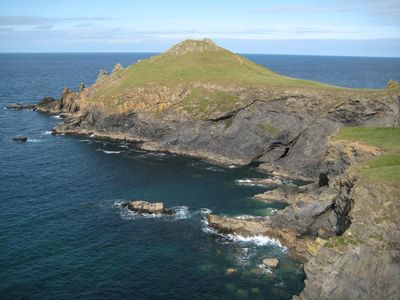
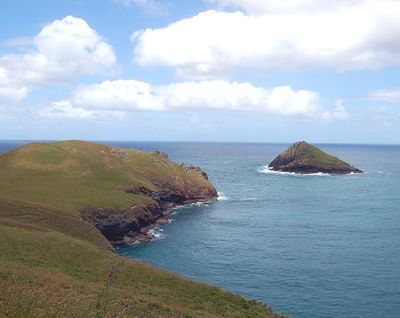
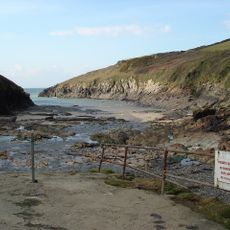
The Rumps is an Iron Age promontory fort on the north Cornish coast, where three banks with rock-cut ditches cross the landward side of a narrow headland. The sea cliffs drop steeply on the other sides, making the headland a naturally enclosed space.
The site was built and occupied during the Iron Age, roughly between 200 and 50 BCE, over two separate periods of use. Excavations revealed that the banks were not all built at once but added in stages as the settlement grew or changed.
The site contains residential platforms where archaeologists found everyday objects such as spindle whorls and quern stones. These discoveries show that residents maintained trade connections with distant regions.
Reaching the headland involves walking along coastal paths, so sturdy footwear is a good idea as the ground can be uneven and slippery near the cliff edges. The site is fully exposed to the wind and rain, so layering up makes the visit more comfortable.
Spindle whorls and quern stones found during digs show that people here were spinning thread and grinding grain as part of everyday life, not just defending themselves. Objects from distant regions also turned up, suggesting this remote headland was connected to a wider trading network.
The community of curious travelers
AroundUs brings together thousands of curated places, local tips, and hidden gems, enriched daily by 92,430 contributors worldwide.