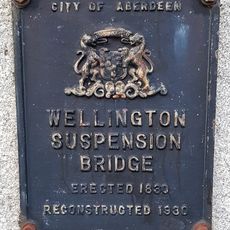
Wellington Suspension Bridge, 19th century suspension bridge in Aberdeen, Scotland
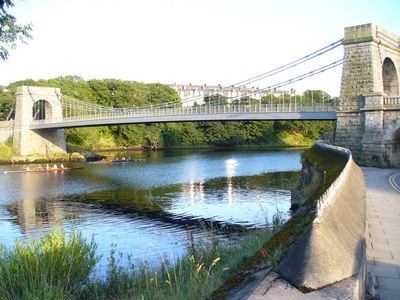
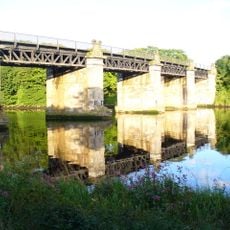
The Wellington Suspension Bridge crosses the River Dee with a main span of approximately 215 feet (65 meters) supported by flat-link chains and granite pylons. The structure displays the characteristic chain suspension typical of early suspension bridge design.
The structure was built between 1829 and 1831 under the direction of Captain Samuel Brown and architect John Smith to replace the Craiglug Ferry service. It belongs to a generation of early chain suspension bridges constructed in Scotland during the 1800s.
The bridge takes its name from the military leader Wellington and represents early Scottish engineering skill. This naming choice turned the crossing into a landmark that reflects local pride in technical achievement.
The structure underwent major restoration in 2008 and now serves pedestrians and cyclists with a continuous passage across the river. The surface is well maintained and allows safe crossing in various weather conditions.
This is the last surviving example of four similar suspension bridges originally built in northeast Scotland during the 1800s. The other bridges from this series have disappeared, making this structure a rare remnant of an engineering era.
The community of curious travelers
AroundUs brings together thousands of curated places, local tips, and hidden gems, enriched daily by 90,989 contributors worldwide.