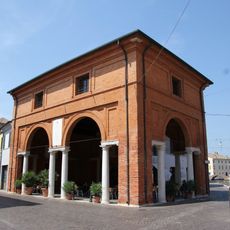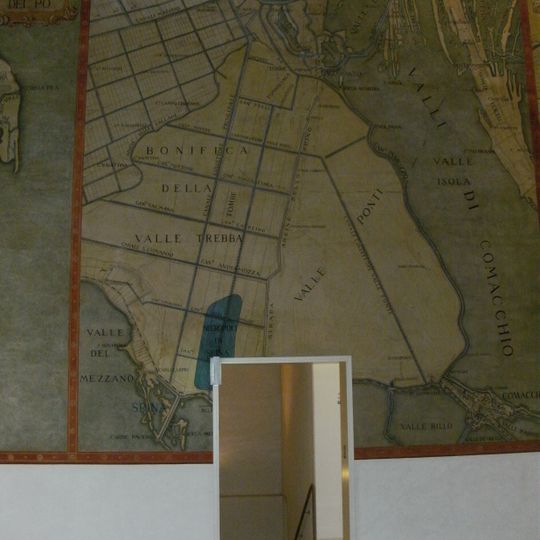
Spina, Archaeological site near Comacchio, Italy.
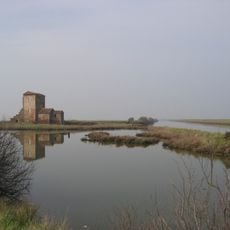
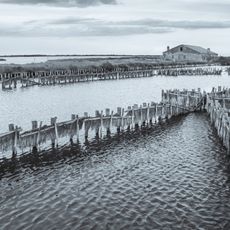
Spina was an Etruscan port city in the Po plain, its ruins showing canals, house foundations, and tombs from the 6th century BCE. The remains sit in the landscape near Comacchio and continue to be studied by archaeologists today.
The city emerged in the 6th century BCE as a key trading port and later vanished as the delta silted up. Modern excavations began in 1922 when drainage work in the Po valley brought the first finds to light.
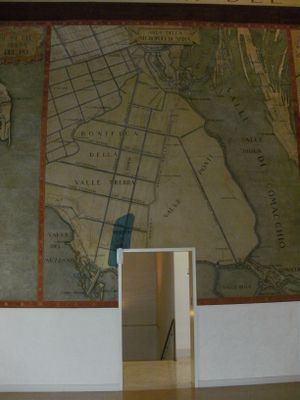
The museum in Ferrara displays Greek pottery and bronze objects recovered from the city's burial grounds. These finds tell the story of the trading relationships this port maintained with the eastern Mediterranean.
Visitors can explore the site on their own or join guided tours to learn more about ancient architecture and how the canal systems worked. The nearby museum in Ferrara with its valuable collections is also easy to reach and nicely complements your time at the excavation.
More than 4000 tombs were excavated here, offering insights into daily work and craftsmanship that are otherwise hard to see in ruins alone. The quantity and quality of these burial goods make the site one of our most important sources for understanding Etruscan life.
The community of curious travelers
AroundUs brings together thousands of curated places, local tips, and hidden gems, enriched daily by 92,741 contributors worldwide.