Honnō-ji Temple, Buddhist temple in Nakagyō-ku, Japan
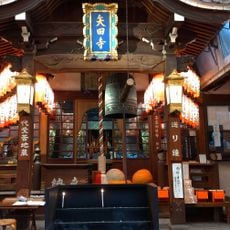
Honnō-ji is a Buddhist house of prayer from the early 15th century in Nakagyō Ward, Japan, now located on Shimo Honnojimae-cho street. The complex includes a main hall, a bell tower, and a museum that houses religious objects such as a Lotus Mandala and historical documents.
The monk Nichiryū founded the temple as Honnō-ji in 1415, and in 1429 he rebuilt it near Senbon Gokuraku on the Ōuchi palace grounds. In 1536 Enryaku-ji monks burned it during the Tenbun Hokke War, and in 1582 Oda Nobunaga died there in the Honnō-ji Incident. Toyotomi Hideyoshi moved it to its present site in 1591.
The temple's name is written with a character in which the element 匕 is replaced by 厶, a form the temple links to its repeated destruction by fire. The character predates the temple, however, and appears on roof tiles fired in the 1582 Honnō-ji Incident, unearthed in 2007.
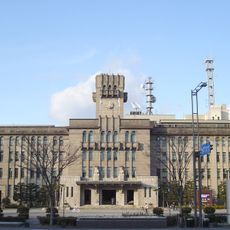
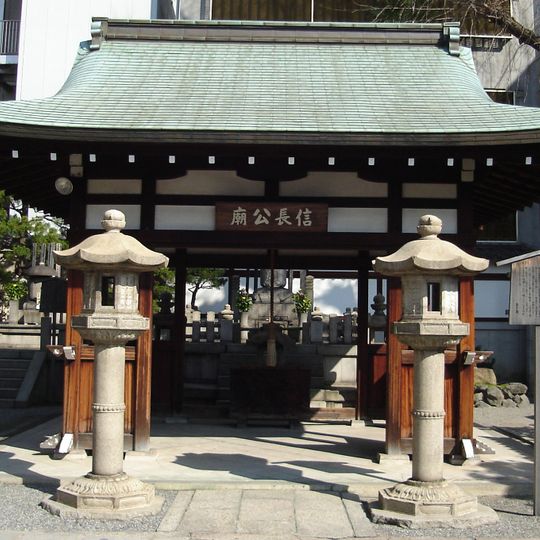
The main gate faces the Teramachi shopping arcade, and the temple grounds sit just north of Kyoto City Hall. The closest subway stop is Kyōto Shiyakusho-mae on the Tōzai line, about a minute on foot; Keihan Sanjō is roughly eight minutes away. The Hondō, the gate and the mausoleum hall are registered tangible cultural properties.
In 1582, general Akechi Mitsuhide led an attack here on warlord Oda Nobunaga, who perished in the flames. The museum now displays tea ceremony utensils and an incense burner shaped like a three-legged frog from that era.
The community of curious travelers
AroundUs brings together thousands of curated places, local tips, and hidden gems, enriched daily by 93,327 contributors worldwide.