Wilsveen, Rural hamlet in Leidschendam-Voorburg, Netherlands
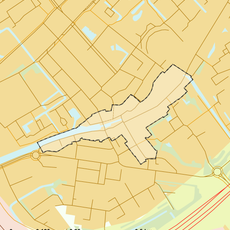
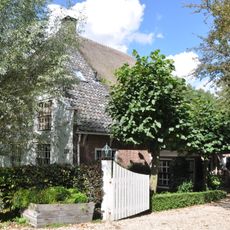
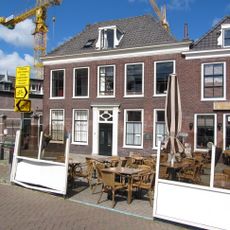
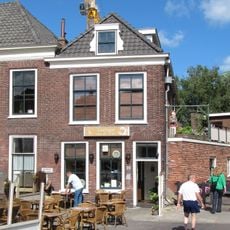
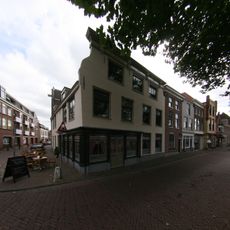
Wilsveen is a rural hamlet in Leidschendam-Voorburg that developed as a linear settlement along its namesake road, stretching from Kostverlorenweg to the border of Zoetermeer. The hamlet sits within agricultural landscapes that give it its distinctly country character.
In the 16th century, local people discovered a statue of Mary in the peat fields, making the place a pilgrimage destination until a chapel there was destroyed in 1581. This religious event shaped the early history and significance of the settlement.
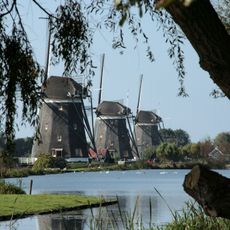
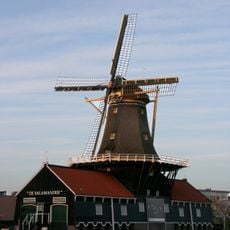
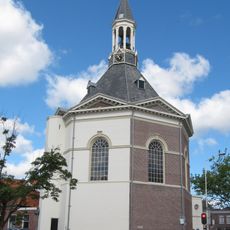
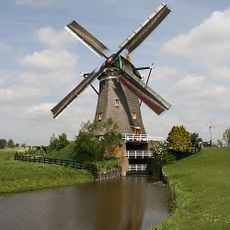
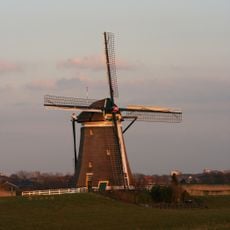
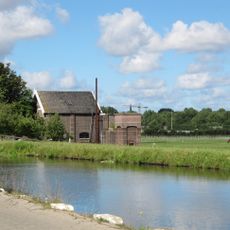
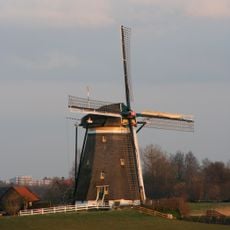
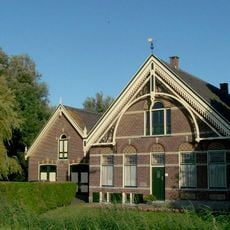
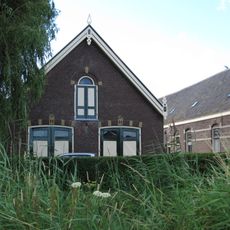
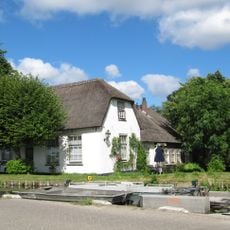
The area preserves five national monuments, including three traditional polder windmills and a former farmhouse representing northern South Holland architecture from 1899. These structures reflect the crafts and rural way of life that shaped the region over generations.
The road through Wilsveen serves as a direct connection between Zoetermeer and Leidschendam, with regular bus routes to nearby municipalities. Visitors can easily explore the area on foot, while the transit links provide convenient access from neighboring towns.
Three protected windmills stand at the boundary between the Potteveen and Grote Drooggemaakte polders, marking the region's historical water management system. These mills demonstrate how residents once controlled water levels to make the land usable for farming.
The community of curious travelers
AroundUs brings together thousands of curated places, local tips, and hidden gems, enriched daily by 92,692 contributors worldwide.