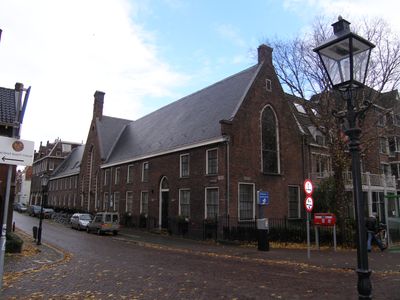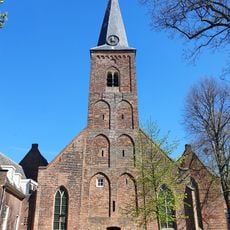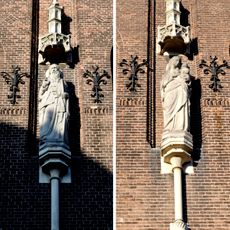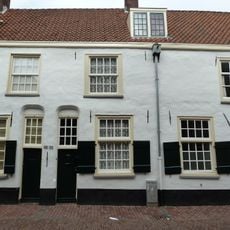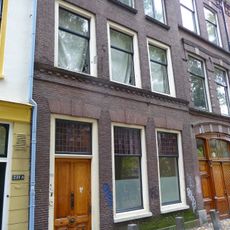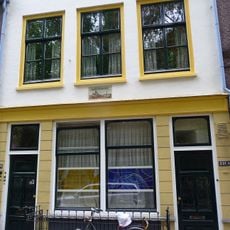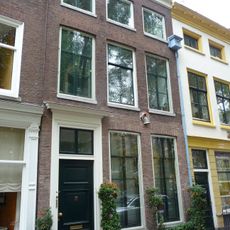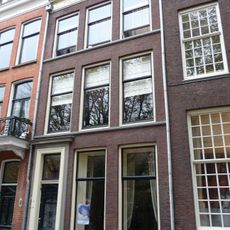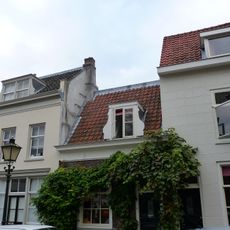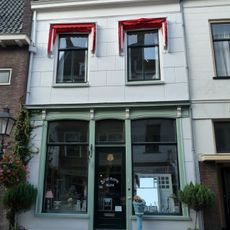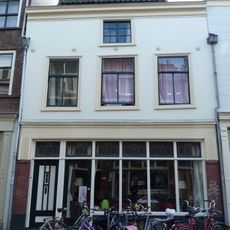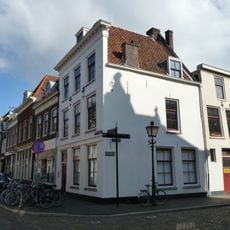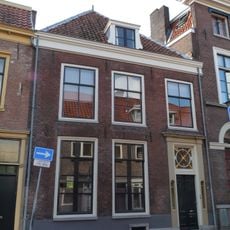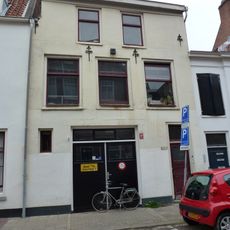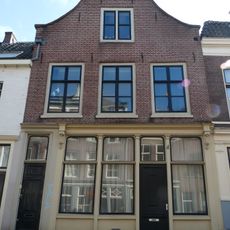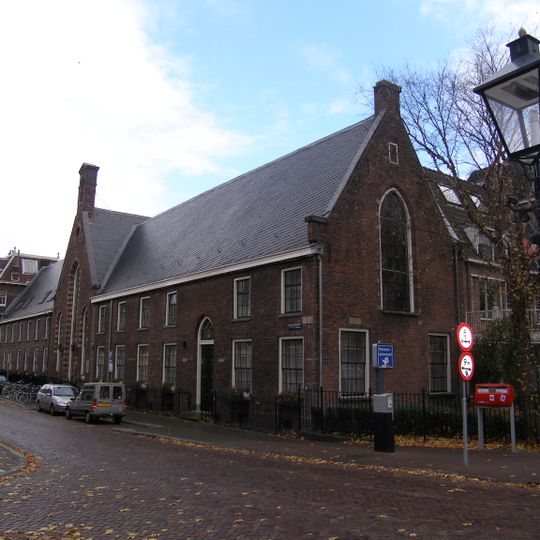
Bartholomeïgasthuis, Medieval almshouse in Utrecht, Netherlands.
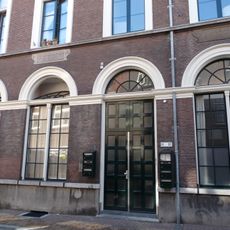
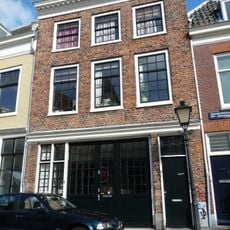
The Bartholomeïgasthuis is a three-winged building in Utrecht with a main facade bearing a coat of arms and inscription from 1623. It continues to function as a care and residential facility, demonstrating how such buildings have evolved while maintaining their essential purpose.
It was founded in 1367 as shelter for beggars and pilgrims, then reshaped in 1378 when Willem, Lord of Abcoude, gave it the new role of a charitable almshouse. This transformation established it as a significant institution that continued to develop over following centuries.
The Regentenzaal displays four tapestries from the 17th century that show how the building's wealthy overseers expressed their status through art. These textiles offer a direct view into the refined tastes that shaped the space during its role as an administrative center.
Parts of the building are open to visitors during specific times, allowing you to see its historical rooms. Since it remains an active care facility, it is best to check opening times in advance before planning a visit.
A clock mechanism from 1471 crafted by Steven Butendycke still rings inside the building every day at noon. This piece demonstrates the craftsmanship of its era and has marked the city's daily rhythm for more than five centuries.
The community of curious travelers
AroundUs brings together thousands of curated places, local tips, and hidden gems, enriched daily by 92,720 contributors worldwide.