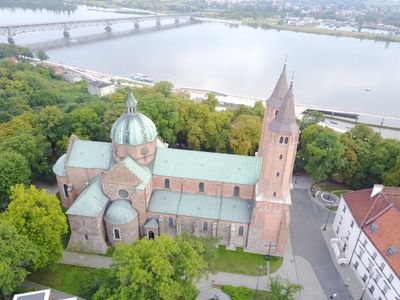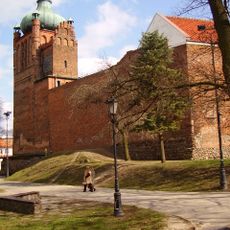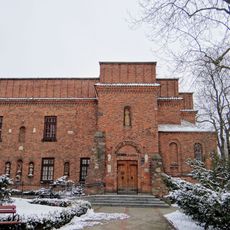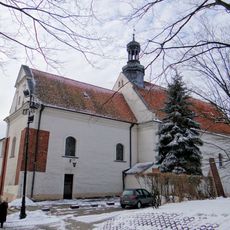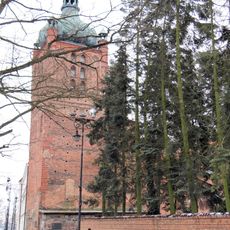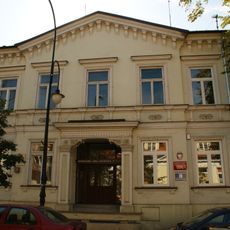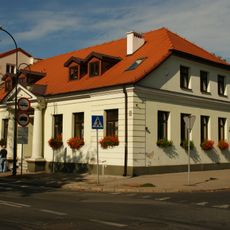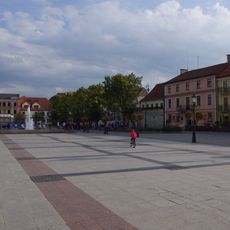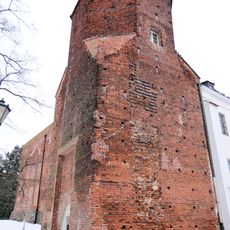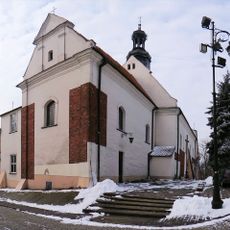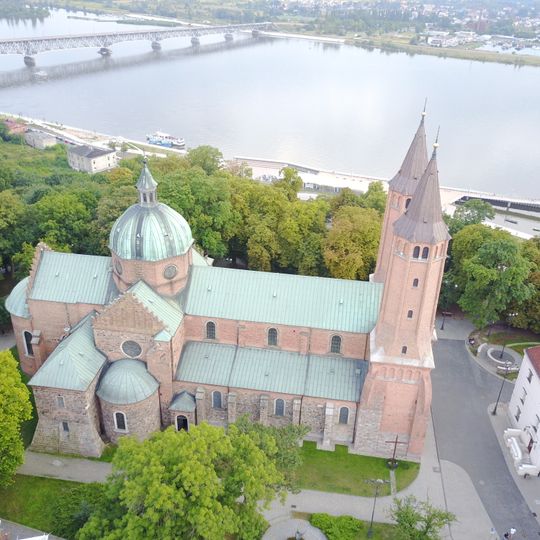
Płock Cathedral, Romanesque cathedral in Płock, Poland.
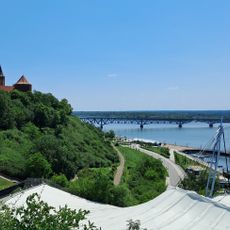
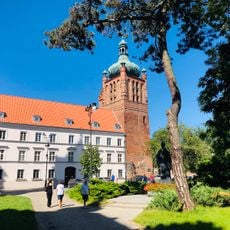
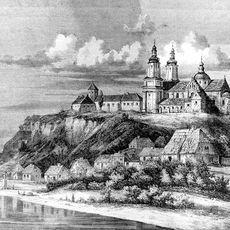
Płock Cathedral is a Romanesque basilica on Tumskie Hill with two towers rising above the town. Thick stone walls and rounded arches form the interior, where three naves are separated by columns and a spacious crypt lies beneath the main altar.
Construction began in 1130 under the orders of Prince Bolesław III and was completed in 1144. Later centuries brought renovations in Gothic and Baroque styles, though the Romanesque floor plan remained intact.
The building serves as a burial site for several medieval rulers, whose sarcophagi visitors can see today in the side aisles and crypt. Liturgical ceremonies here follow centuries-old traditions of the Roman Catholic Church, keeping the structure an active place of worship and Mass.
The main entrance sits on the east side of Tumskie Hill and can be reached via a paved road from the town center. The crypt requires descending a stone staircase, so visitors with limited mobility may need assistance.
The original 12th-century bronze doors now reside in Saint Sophia Cathedral in Novgorod, while visitors here see a replica. Art historians consider these doors among the earliest examples of Romanesque metalwork in Central Europe.
The community of curious travelers
AroundUs brings together thousands of curated places, local tips, and hidden gems, enriched daily by 92,608 contributors worldwide.