Rożnów Pyramid, Pyramidal tomb in Rożnów, Poland.
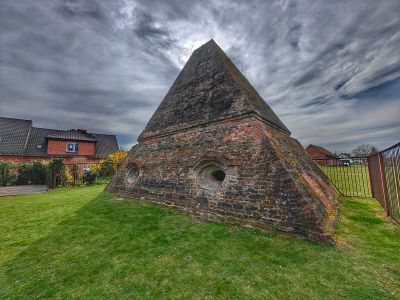
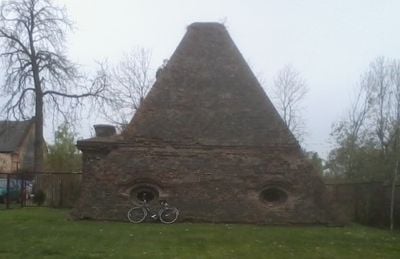
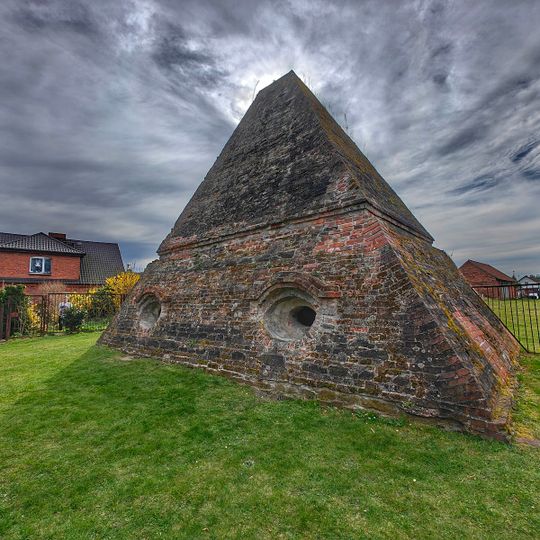
The Rożnów Pyramid is a stone and brick burial monument standing about 8.5 meters high with a rectangular entrance decorated with wrought iron details and coat-of-arms reliefs. The structure features ventilation openings designed to preserve the interior environment and maintain the integrity of the tombs.
The tomb was designed in 1780 by Carl Gotthard Langhans, the architect behind Berlin's Brandenburg Gate, commissioned for General Carl Adolf August von Eben und Brunnen. It served as a burial site for twenty-eight members of noble families over the following 50 years.
The structure reflects the Egyptian Revival movement popular in 18th-century Europe, when architects looked to ancient burial traditions for inspiration. The carved coat-of-arms and decorative ironwork visible on the exterior show how classical design was adapted to honor the families entombed inside.
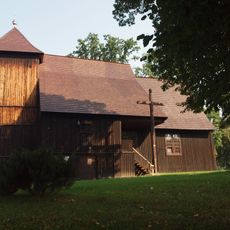
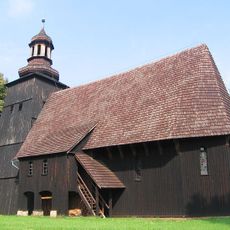
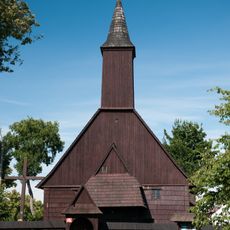
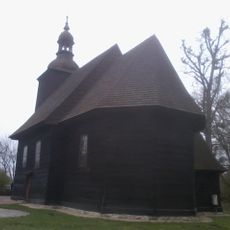
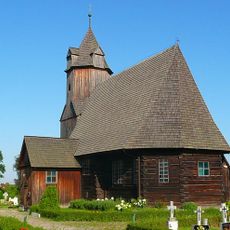
The monument sits beside the wooden Church of Saints Peter and Paul and remains closed to visitors, but its exterior can be viewed from the surrounding grounds. The best views are from various angles around the church, where the architectural details and decorative elements are clearly visible.
This pyramid represents one of Langhans' surviving works and demonstrates his influence on European burial architecture beyond his most celebrated designs. The connection to one of the era's major architects adds historical weight to what might otherwise appear as a simple regional monument.
The community of curious travelers
AroundUs brings together thousands of curated places, local tips, and hidden gems, enriched daily by 92,883 contributors worldwide.