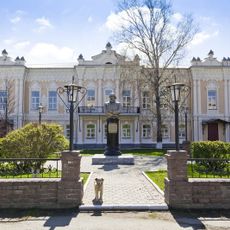
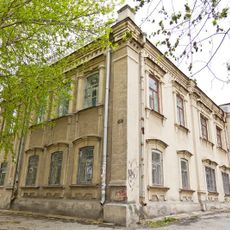
Savin-1, archaeological site in Russia
Savin-1 is an archaeological site located on a hill near Buzan in Russia. The area contains stone arrangements, low mounds, and scattered remains that reflect early human activity across different periods spanning thousands of years.
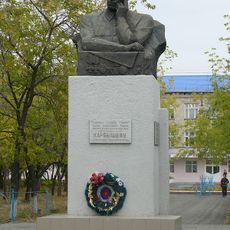
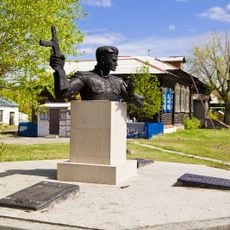
The site was settled more than two thousand years ago by early peoples who were drawn to the abundant fish, forests, and natural resources of the region. During the Second World War, the area experienced German occupation from 1941 to 1943, leading to the construction of memorials honoring fallen soldiers.
The site name reflects its ancient use as a settlement where early communities gathered and performed rituals on the hillside. Walking through today, visitors can observe how the landscape and stone arrangements reveal the importance this place held for those who built it.
The site is open to visitors who can walk through the area on natural pathways and uneven terrain. Wear appropriate footwear and allow time for a slow exploration, as this is a raw archaeological location rather than a developed facility with constructed features.
The hill served not only as a settlement but possibly as a ceremonial and ritual gathering place, suggested by the arrangement of its stone structures. This dual function as both a residential and spiritual site makes Savin-1 particularly valuable for understanding how early societies organized their communal and religious life.
The community of curious travelers
AroundUs brings together thousands of curated places, local tips, and hidden gems, enriched daily by 91,647 contributors worldwide.