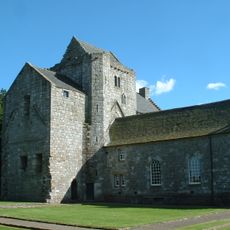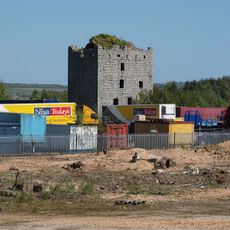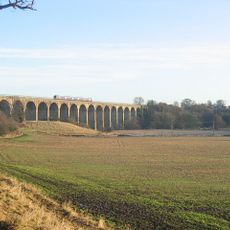
Avon Aqueduct, Navigable aqueduct in Linlithgow, Scotland.
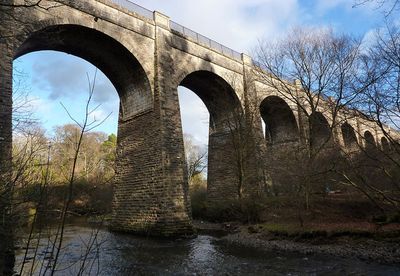
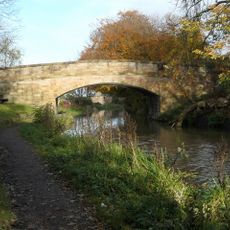
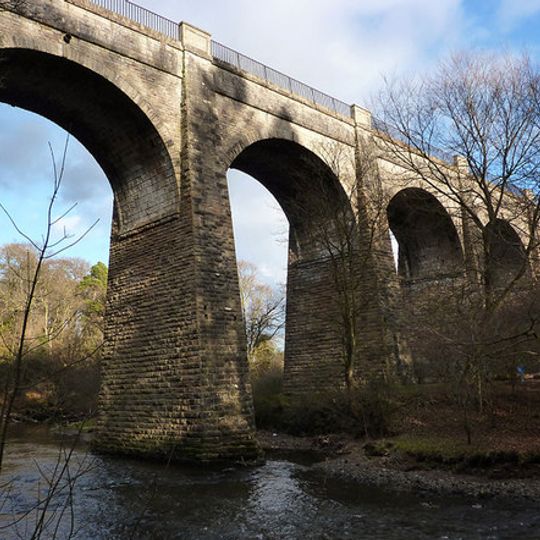
The Avon Aqueduct is a stone bridge stretching over 200 meters across the River Avon, supported by twelve arches that rise above the water below. The structure was built from stone and cast iron, wide enough for boats to pass underneath while water flows on top.
The structure was designed by Hugh Baird in 1819 with advice from Thomas Telford and opened in 1822. This engineering work was built to carry canal boats over the river valley below, making transport and trade possible across the landscape.
The aqueduct links two council areas and was built from local stone, making it a familiar landmark for people in the region. Visitors can see the same structure crossing the valley that has done so for two centuries.
The aqueduct is best accessed from Muiravonside Country Park, where viewing areas are set up for visitors. The area can be wet and muddy, so sturdy shoes are recommended for walking around the base of the structure.
The piers supporting the aqueduct are hollow rather than solid, containing small access doors built for maintenance work. These hidden entrances show how engineers planned for workers to reach difficult spots high above the river far below.
The community of curious travelers
AroundUs brings together thousands of curated places, local tips, and hidden gems, enriched daily by 90,880 contributors worldwide.