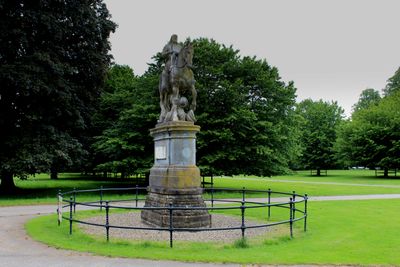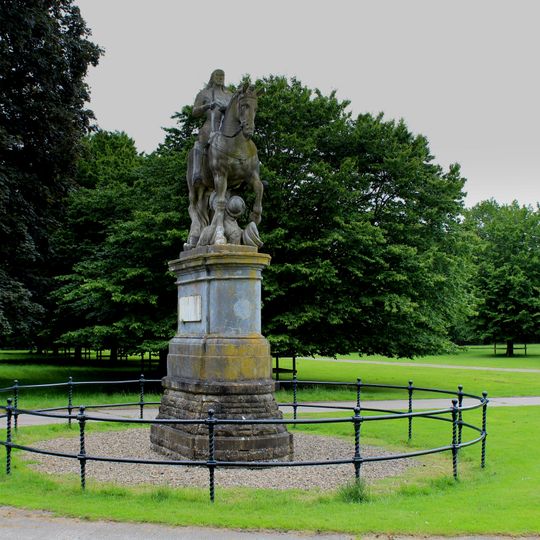
Equestrian statue of Charles II of England trampling Cromwell, Grade II listed statue in Newby with Mulwith, England
This marble equestrian statue stands near Newby Hall in North Yorkshire and shows King Charles II in armor riding a horse that steps over a fallen figure beneath. The statue combines Carrara marble with intricate carved details that reflect the craftsmanship of the period.
The statue was originally created in the 1670s as a monument to a foreign military commander and later acquired by Sir Robert Vyner. He commissioned changes to the rider's head so that it would represent King Charles II instead.
The statue represents the complex relationship between monarchy and republicanism during the English Civil War through its symbolic representation of power dynamics.
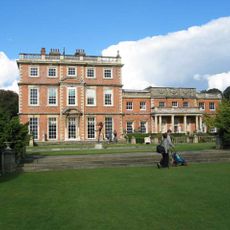
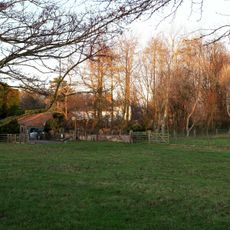
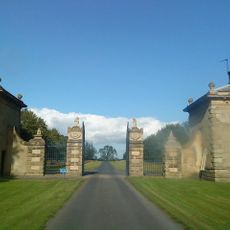
The statue stands about 150 meters east of Newby Hall and can be viewed while exploring the grounds around the property. The surrounding countryside is relatively open and easy to navigate for those visiting the area.
The marble work was originally designed to honor a Polish military leader before being repurposed for an English king. This complete transformation of meaning shows how sculptural works could be remade to serve different political narratives.
The community of curious travelers
AroundUs brings together thousands of curated places, local tips, and hidden gems, enriched daily by 92,817 contributors worldwide.