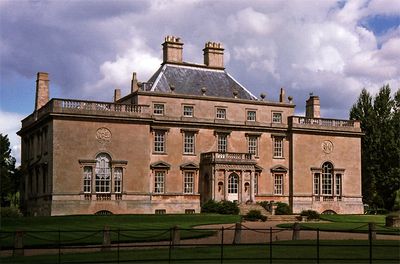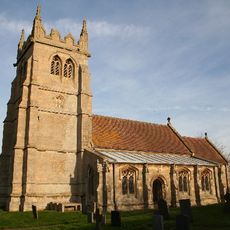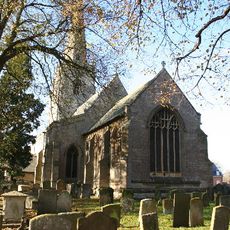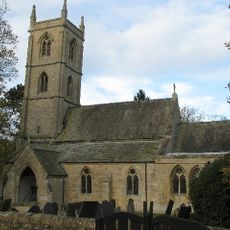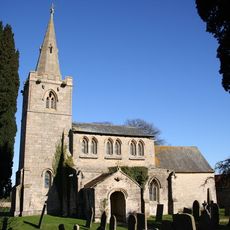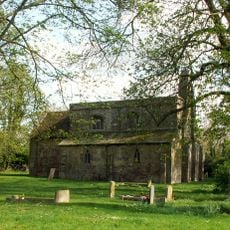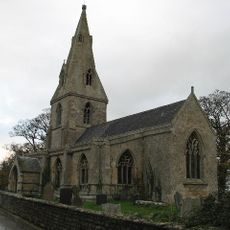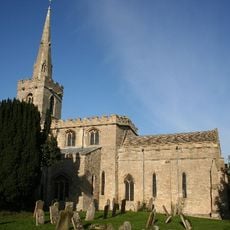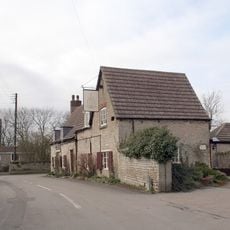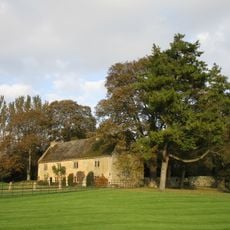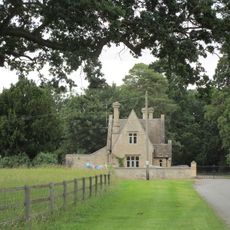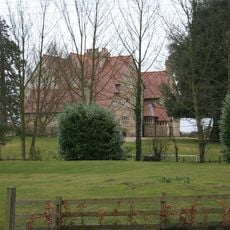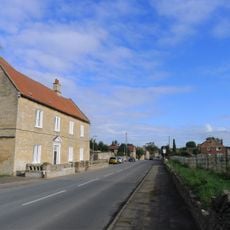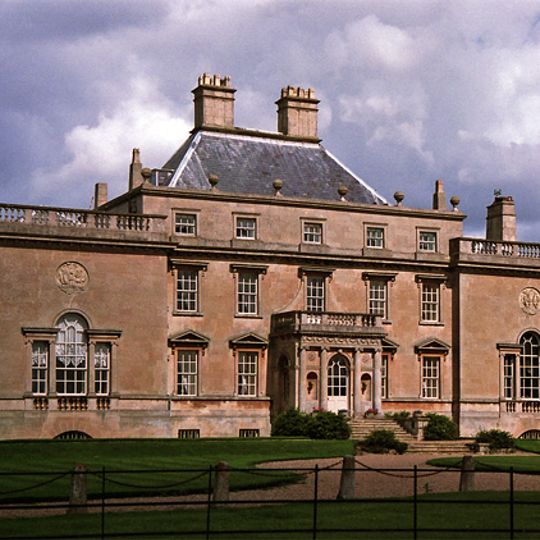
Culverthorpe Hall, English country house in Culverthorpe, England
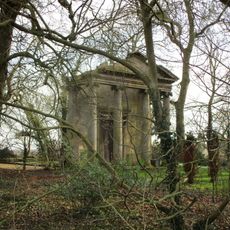
Culverthorpe Hall is a limestone building with a central five-bay block flanked by two side wings rising through two stories topped by a raised attic. The structure sits within an estate spanning around 1,219 acres that includes parkland, lakes, and mature woodlands forming the broader landscape of the property.
Sir John Newton began construction around 1680, establishing the core of what would become a major country house of the region. His descendants later added the side wings during the early eighteenth century, transforming it into the structure that stands today.
The property served as the seat of the Newton family, who established themselves as major landowners in the region through their residence here. The family's position shaped how the surrounding estate and settlements developed over time.
The estate functions as a private residence and remains closed to public visitors, so exploration is limited to views from nearby public areas. Plan visits during clear weather when the grounds and surrounding landscape are most visible from accessible vantage points.
A family monument in nearby Heydour church commemorates the death of a Newton child, recorded as caused by contact with a pet monkey. This unusual historical detail survives as a reminder of an accident that marked the family's time at the estate.
The community of curious travelers
AroundUs brings together thousands of curated places, local tips, and hidden gems, enriched daily by 92,305 contributors worldwide.