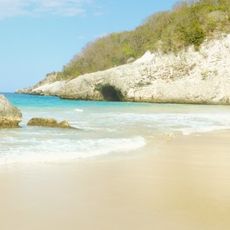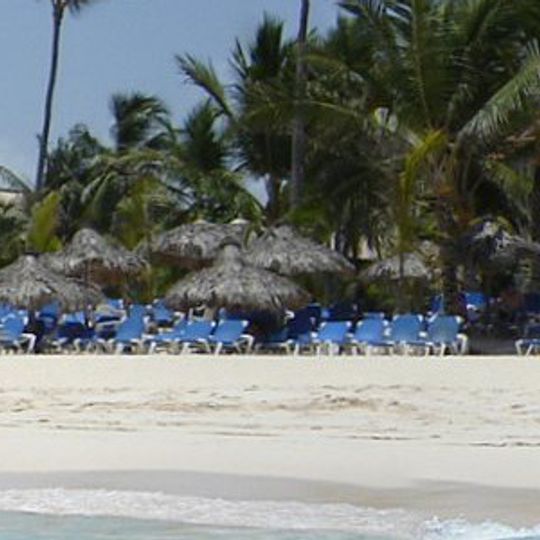
Caribbean, Archipelago in Central America.
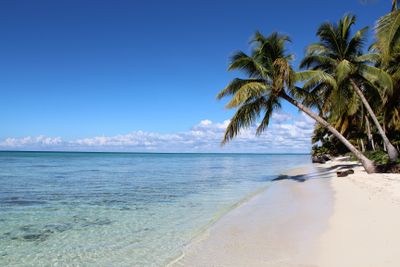
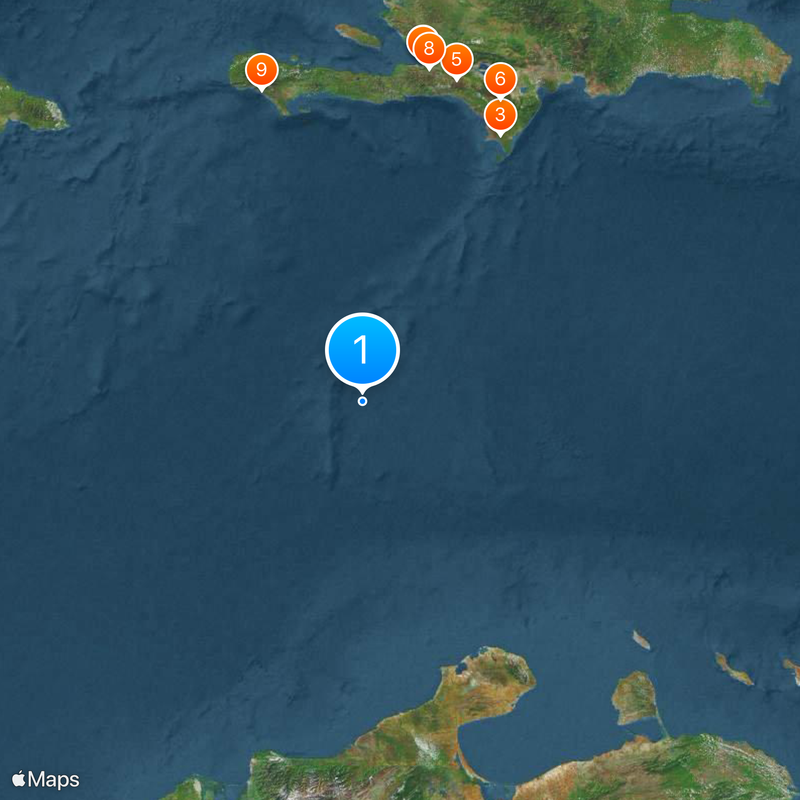
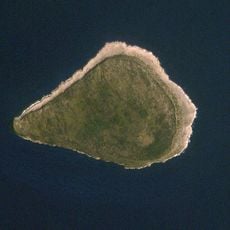
This region sits between North and South America, stretching across more than 7,000 islands that spread from the Gulf of Mexico to the coast of Venezuela. The island chain divides into the Greater and Lesser Antilles, while shallow coral reefs and deep ocean trenches shape the surrounding waters.
Christopher Columbus reached these islands in 1492, opening the way for waves of European settlement that reshaped the territory through plantation agriculture and colonial rule. Later centuries brought the rise and fall of the transatlantic slave trade, followed by independence movements that formed many of today's nations.
In towns and villages you hear English, Spanish, French and Dutch spoken side by side, while the local cuisine reflects a living mix of African, European and Asian traditions. Reggae, calypso and salsa fill street festivals and markets, where people gather to dance and share freshly prepared dishes.
The climate stays warm throughout the year, so any season works for a visit, though the dry months from December to April often bring calmer conditions. Hurricanes occur between June and November, so it helps to watch weather reports and keep travel plans flexible.
The Lesser Antilles form a natural boundary between the Caribbean Sea and the North Atlantic, splitting into the Leeward Islands, the Windward Islands and the ABC Islands. This arrangement emerged through volcanic activity and coral growth that built an underwater chain over thousands of years, now visible as an arc at the surface.
The community of curious travelers
AroundUs brings together thousands of curated places, local tips, and hidden gems, enriched daily by 92,420 contributors worldwide.