Navassa Island National Wildlife Refuge, National wildlife refuge in the Caribbean Sea between Haiti and Jamaica
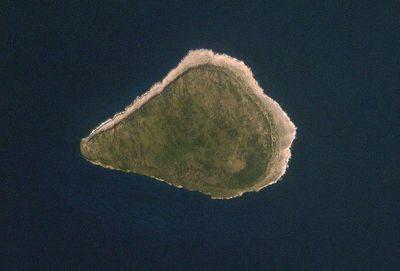
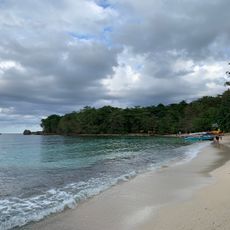
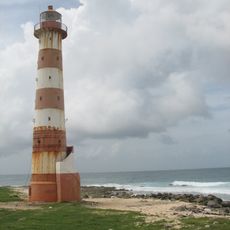
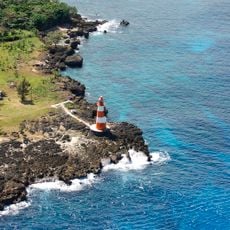
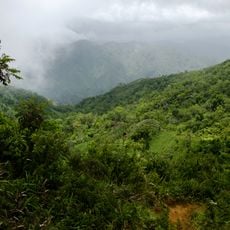
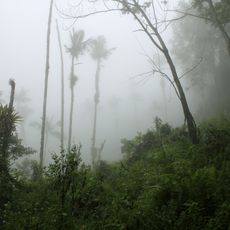
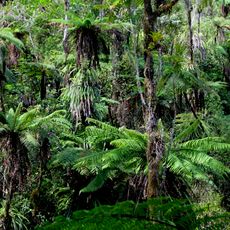
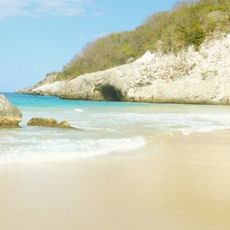
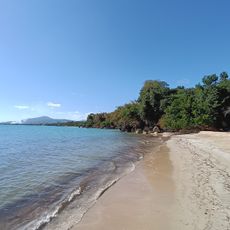
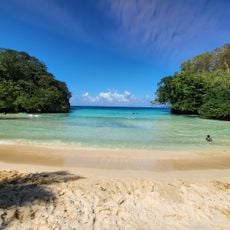
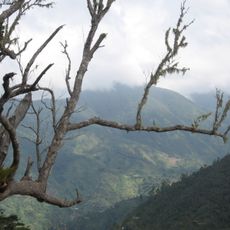
Navassa Island National Wildlife Refuge is a remote protected area in the Caribbean Sea positioned between Haiti and Jamaica. The island rises dramatically from the water with steep limestone cliffs creating a rocky, undeveloped landscape.
Captain Peter Duncan claimed Navassa for the United States on 19 September 1857 under the Guano Islands Act. The Navassa Phosphate Company began mining in 1865 with 140 contract labourers from Maryland; a riot in 1889 killed five supervisors, and the resulting trials reached the Supreme Court in Jones v. United States (1890). Haiti has claimed the island since its 1874 constitution.
The island's name comes from the Spanish nava, meaning plain or field, given by crew members of Columbus who landed there in 1504 while seeking help for their stranded ships. Haitian Creole speakers call it Lanavaz, and Haiti has named "la Navase" in its constitutions since 1874. The refuge is closed to the public, so no traditions or visitor activities take place there.
Access to this island is not available for regular visitors and requires special permission from the U.S. Fish and Wildlife Service. The rough coastline and conservation regulations make visitation essentially restricted to authorized research activities.
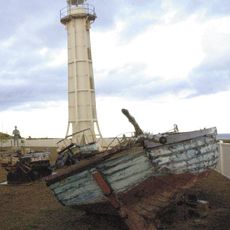
Two of Navassa's endemic lizards, Cyclura cornuta onchiopsis and Leiocephalus eremitus, are already extinct; four others survive. The island's guano was hauled by rail car to Lulu Bay, where workers lived in 'Lulu Town', shown on old maps.
The community of curious travelers
AroundUs brings together thousands of curated places, local tips, and hidden gems, enriched daily by 93,774 contributors worldwide.