Haiti, Caribbean nation on Hispaniola island, Republic of Haiti
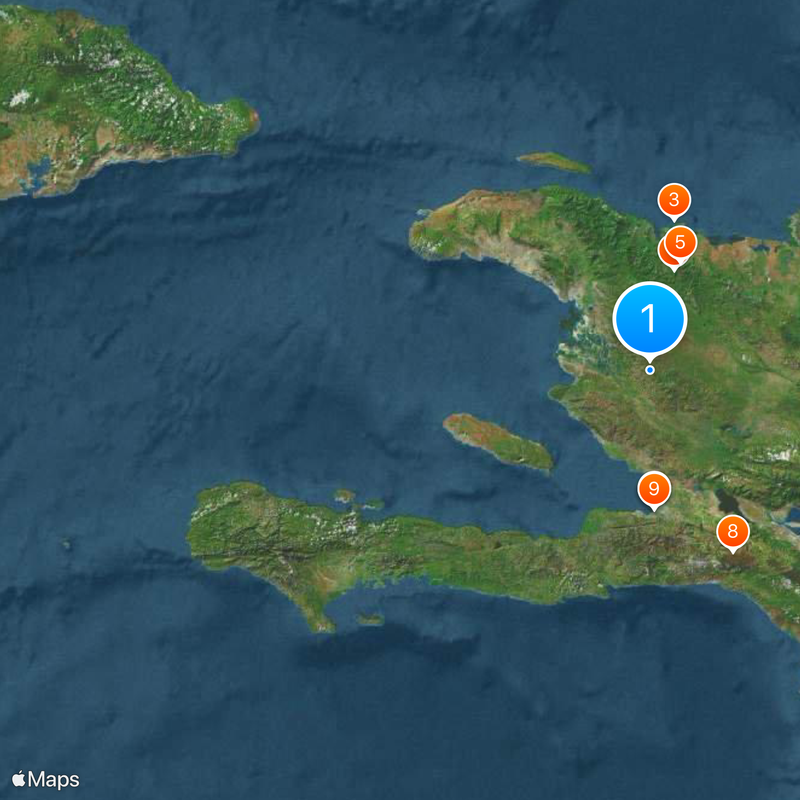
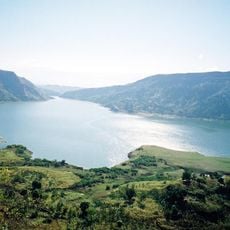
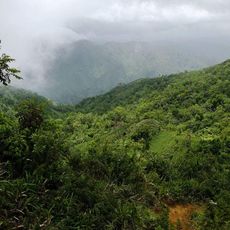
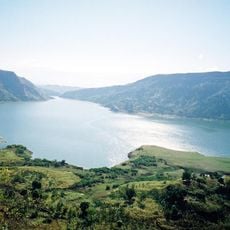
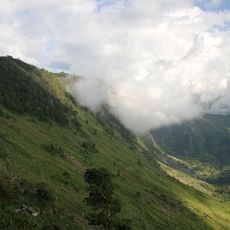
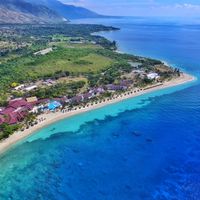
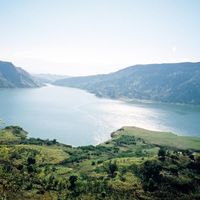
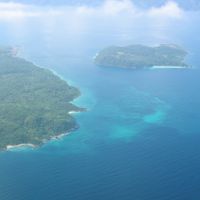
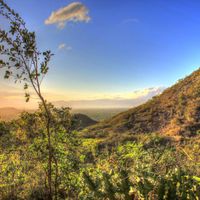
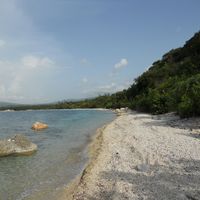
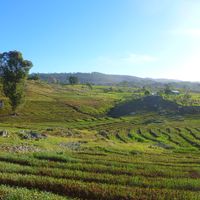
Haiti is a nation on the western side of Hispaniola island in the Caribbean, made up of rugged mountain ranges that run throughout the territory. Valleys and plains lie between the mountains, while two peninsulas extend into the sea, creating a long, winding coastline.
Independence came in 1804 after an uprising by formerly enslaved people against French colonial rule, creating the first Black republic in the world. Earlier French settlers had called the territory Saint-Domingue and made it one of the most profitable colonies before the revolution ended that order.
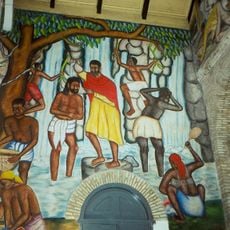
The country takes its name from the original Taino word Ayiti, meaning mountainous land, which accurately describes the terrain. Kompa music plays from radios and at gatherings, while hand-painted murals and colorful tap-taps, converted trucks used for transport, fill the streets.
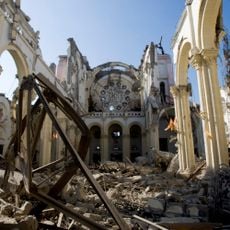
The best time to visit is between November and March when rainfall is lighter and temperatures are comfortable. Before traveling, check current safety advisories, as conditions can shift after natural events.
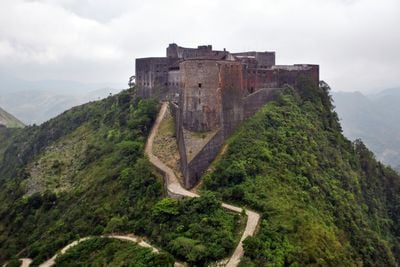
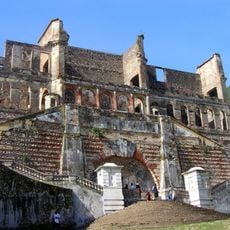
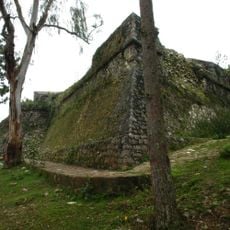
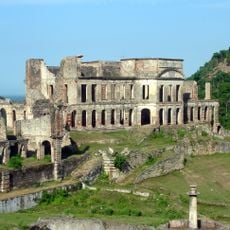
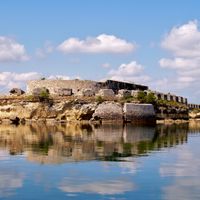
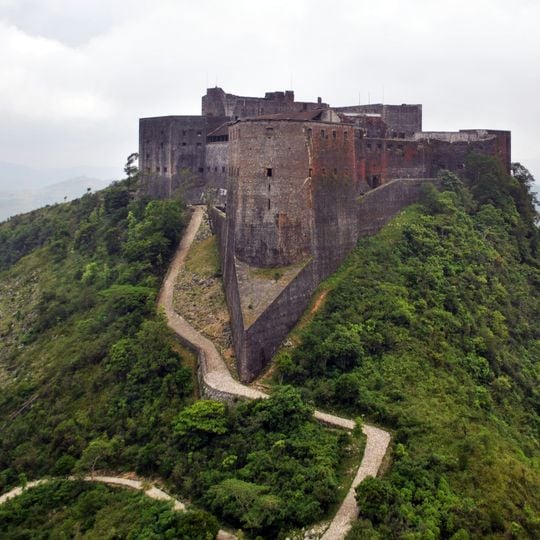
The Citadelle Laferrière in the north, a massive mountaintop fortress from the post-independence era, ranks among the largest fortifications in the Western Hemisphere. Its huge stone walls were built without mortar and tower above surrounding valleys as a testament to early defense efforts.
The community of curious travelers
AroundUs brings together thousands of curated places, local tips, and hidden gems, enriched daily by 90,804 contributors worldwide.