Lake Péligre, lake
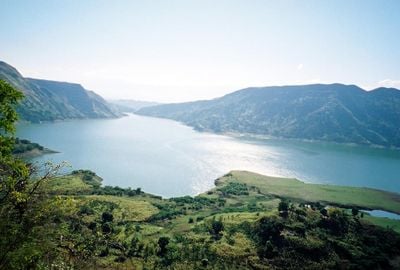
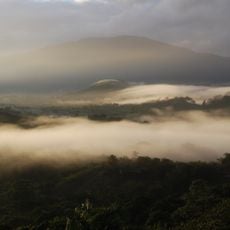
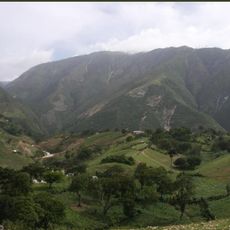
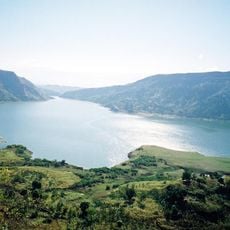
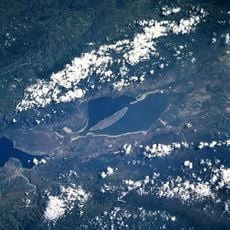
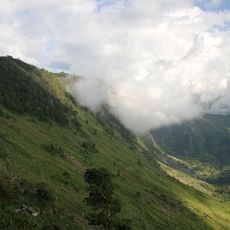
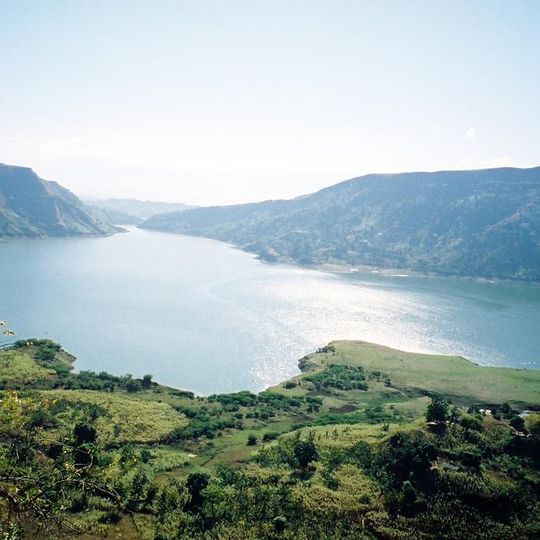
Lake Péligre is a large man-made reservoir in Haiti's central mountains, created by a dam built in the 1950s to control the Artibonite River and generate electricity. The water has a distinctive greenish-blue color and is surrounded by high cliffs and forested hills that create a striking landscape.
The Péligre Dam was built between 1956 and 1957 by the U.S. Army Corps of Engineers to generate electricity and control flooding of the Artibonite River. The project displaced thousands of local families whose farmland and homes were submerged, reshaping the region's landscape and communities.
The lake is deeply tied to Haiti's infrastructure development and is woven into the daily lives of local communities. Fishing is a main livelihood, and small boats on the water reflect how people have adapted their routines to this man-made landscape.
The lake is about three hours from Port-au-Prince by car and is best visited in early morning to enjoy clearer light and cooler temperatures. Bring plenty of water, wear comfortable clothing for walking or boat rides, and be prepared for sunny weather in the mountains.
The water has a distinctive greenish-blue color caused by plankton and organic material, making the lake exceptionally fertile for fishing and visually striking. This unusual coloring makes Lake Péligre one of the most visually distinctive water bodies in Haiti's mountains.
The community of curious travelers
AroundUs brings together thousands of curated places, local tips, and hidden gems, enriched daily by 91,284 contributors worldwide.