Triton-1, schip
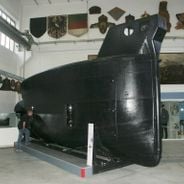
Triton-1 is a compact Soviet underwater craft from Project 907 now resting at the Museum of the World Ocean in Kaliningrad. The hull is made from an aluminum-magnesium alloy, which keeps the weight low and allows for rapid dives.
The craft was built in Leningrad in 1972 as part of a production run of about 32 units intended for covert missions. It remained classified for many years and only reached the museum in August 2016 once secrecy rules were relaxed.
The name Triton comes from Greek mythology and refers to a sea creature associated with deep waters and exploration. Visitors today see the submarine as part of a broader display about marine technology and naval heritage along the waterfront.
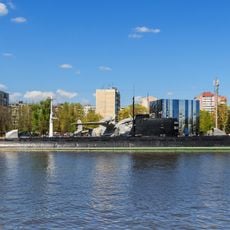
The craft sits in an open display area near the museum and is currently being restored. Visitors can walk around it and examine the outer construction closely, though the interior remains off limits.
The crew worked in a flooded interior and wore diving suits with breathing gear for the entire mission. The craft could rest on the seabed for up to ten days waiting for orders while staying completely hidden.
Location: Ленинградский район
Location: городской округ Калининград
GPS coordinates: 54.70700,20.49386
Latest update: December 5, 2025 15:30
These preserved submarines open their hatches to visitors who want to see where sailors lived and fought beneath the ocean surface. From World War II patrol boats that hunted across the Pacific to the first nuclear-powered vessel that changed naval history forever, each submarine reveals the cramped reality of underwater service. You walk through narrow steel corridors, peer into bunks stacked three high, and stand where officers once studied charts and gave orders in near silence. The collection includes vessels from harbors across the United States and around the world, each one a working museum where the instruments, torpedo tubes, and engine rooms remain as they were during active duty. Some of these submarines sank enemy warships and rescued Allied prisoners during the Second World War. Others served through the Cold War, carrying crews on patrols that lasted weeks without seeing daylight. A few pushed the limits of technology, proving that nuclear reactors could power a vessel across thousands of miles and even under the polar ice. Whether docked in a busy port or resting beside a quiet lake, these submarines bring you face to face with the men who descended into the deep, closed the hatch, and did their work in spaces smaller than a city bus.
B-413
56 m
B-413 Submarine
51 m
Anchor contact mine
17 m
Морское наследие России
54 m
Shipbpard artilleru
15 m
Shipbpard artilleru
13 m
Shipbpard artilleru
12 m
Screw propeller
22 m
Anti-submarine multibarelled launcher
12 m
Depth-charge rocket
13 m
Acoustic sweep
18 m
Dipping sub-sonar
15 m
Conning tower
14 m
Propellers of the submarine B-413
12 m
Torpedo
20 m
Torpedo
21 m
Light navigating mark
149 m
Magnetic acoustic aircraft-laid anchor mine
21 m
Magnetic acoustic aircraft-laid anchor mine
23 m
Международная морская миля
36 m
Anchor contact anti-landing mine
19 m
River buoy
153 m
Tourist attraction
35 m
Tourist attraction, tower, Observation tower
37 m
Anchor contact mine
18 m
Historic naval ship association member
54 m
Beriev Be-12
79 m
Twin torpedo tube
21 mReviews
Visited this place? Tap the stars to rate it and share your experience / photos with the community! Try now! You can cancel it anytime.
Discover hidden gems everywhere you go!
From secret cafés to breathtaking viewpoints, skip the crowded tourist spots and find places that match your style. Our app makes it easy with voice search, smart filtering, route optimization, and insider tips from travelers worldwide. Download now for the complete mobile experience.
A unique approach to discovering new places❞
— Le Figaro
All the places worth exploring❞
— France Info
A tailor-made excursion in just a few clicks❞
— 20 Minutes