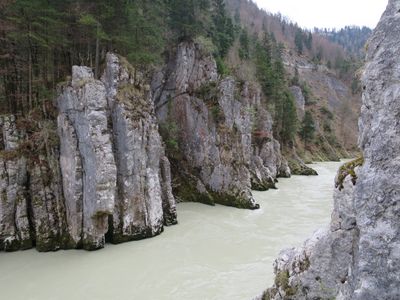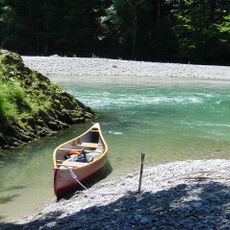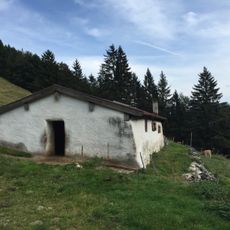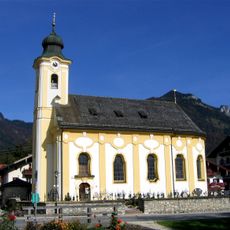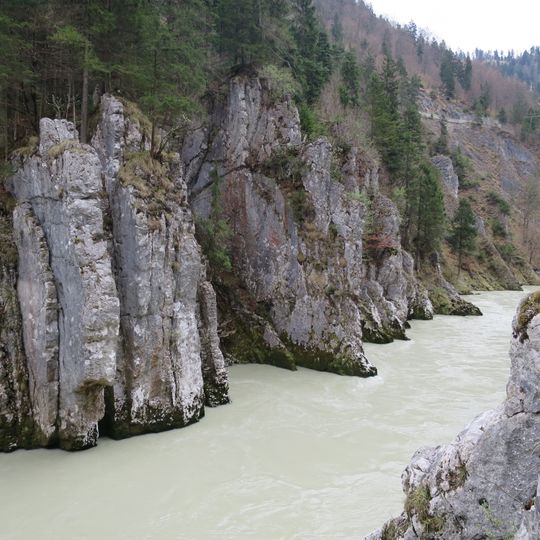
Entenlochklamm, Water gap and canyon in Kössen, Austria and Schleching, Germany.
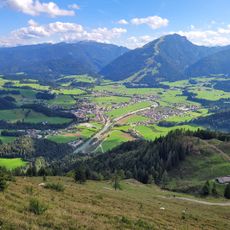
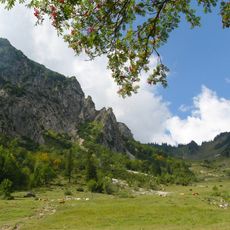
The Entenlochklamm is a limestone gorge that forms the natural border between Austria and Germany in the Chiemgau Alps. Water has carved deep channels into the rock over time, creating tight passages and near-vertical walls.
The gorge name appears in written records from the 14th century, noted as Antenloch. Over the following centuries, the narrow passages became a route used by smugglers to cross the border without paying duties.
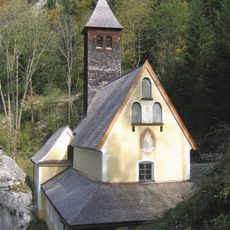
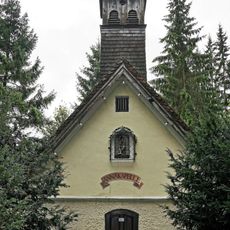
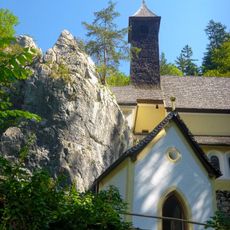
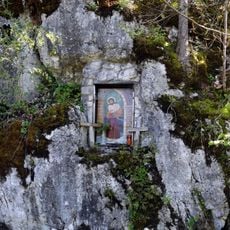
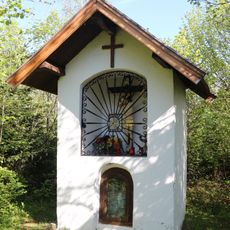
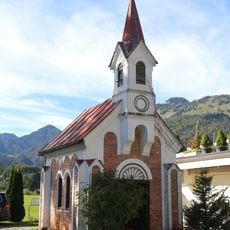
The chapel Maria Klobenstein sits on a rock high above the gorge, surrounded by steep limestone walls on all sides. Walkers passing through can make a short detour to reach it and look down over the canyon from above.
A loop trail passes through the gorge and crosses two suspension bridges before reaching an observation platform with views over the rock walls. The path is well maintained and manageable without special gear for most visitors.
After past floods, water control work widened the gorge from about 3.4 meters to roughly 12 meters in some sections. The difference in the rock walls is still visible today and shows how much the canyon has changed shape over a relatively short time.
The community of curious travelers
AroundUs brings together thousands of curated places, local tips, and hidden gems, enriched daily by 91,548 contributors worldwide.