Canal de Berry, Historical monument, canal, and lock in Selles-sur-Cher, France
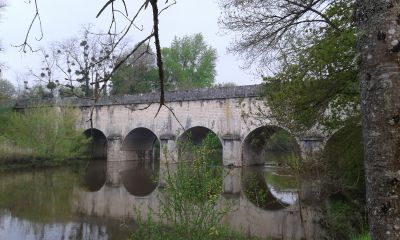
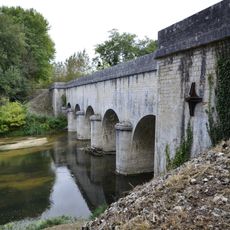
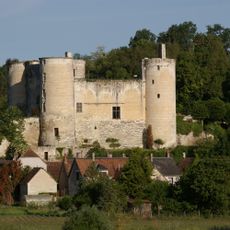
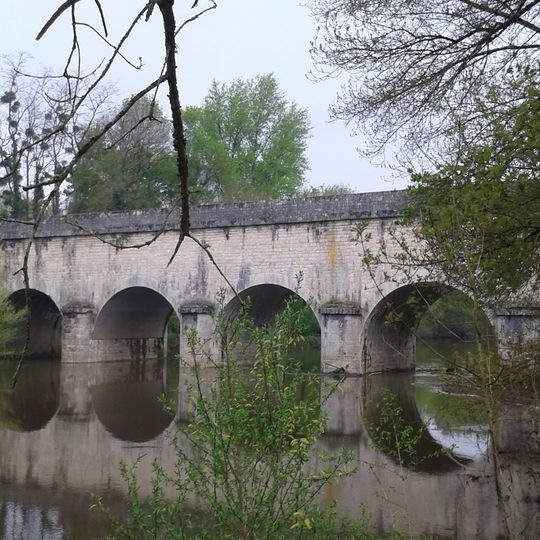
The Canal de Berry is a historic canal in Selles-sur-Cher, France, classified as a listed historical monument, with locks, aqueducts, and stone bridges still standing along its route. The waterway runs through open farmland and small villages, following the gentle valleys of the region with old stone walls and wooden lock gates visible throughout.
Discussions about making the Cher navigable date back to the late 1400s, but construction only began around 1808 under engineer Joseph-Michel Dutens, with most sections completed by the 1830s and 1840s. The canal was heavily used for carrying coal, iron, and other goods until the railways took over, leading to its official closure in 1955.
The Canal de Berry today draws walkers and cyclists along its tree-lined banks, where old lock keeper's houses still stand beside the water. Locals often come on weekends to fish or sit quietly, keeping a connection to a waterway that once shaped daily life in the region.
The canal is best explored on foot or by bike along the maintained towpaths, and the warmer months offer the most comfortable conditions for a visit. Some sections have information signs explaining how the locks and waterworks function, making it easy to follow the route without prior knowledge.
The Canal de Berry is the narrowest canal in France, which meant that only very small, flat-bottomed boats called berrichonnes could travel along it. These wooden boats were designed specifically for this waterway and are rarely seen anywhere else in the country.
The community of curious travelers
AroundUs brings together thousands of curated places, local tips, and hidden gems, enriched daily by 90,882 contributors worldwide.